Get Full Government Meeting Transcripts, Videos, & Alerts Forever!
Get email alerts on the Zoning Amendments topic
No spam. Unsubscribe anytime.
Commission hears proposed zoning clarifications, NMU multifamily allowance and state density requirement
Summary
Staff introduced proposed zoning amendments that clarify definitions, consolidate tattoo/body‑piercing into "personal services," allow limited first‑floor multifamily housing in parts of the Neighborhood Mixed Use zone and reflect a state density provision.
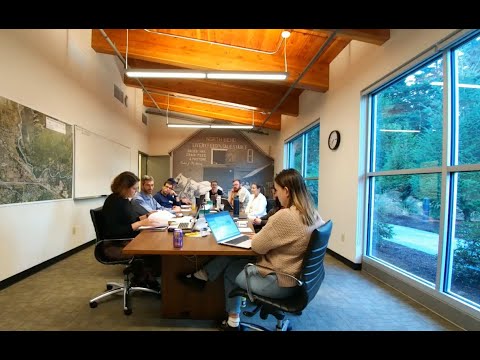
The Planning Commission received an introduction to proposed zoning amendments intended to clarify permitted uses, definitions and several targeted changes to development standards.
Staff said the draft amendments will (1) add or tidy definitions to match the city’s lists of permitted uses, (2) consolidate tattoo and body‑piercing studios under a "personal services" use category, (3) add a performance-based allowance to the Neighborhood Mixed Use (NMU) zone to permit limited first‑floor residential development where commercial uses front the roadway, and (4) implement a state provision (noted in packet as “HB 17 57”) that allows jurisdictions to permit up to 50% additional residential density in existing buildings where multifamily housing is allowed.
On NMU, staff proposed a performance standard: new multifamily dwellings would be allowed on lots with North Bend Way frontage when commercial uses occupy the frontage; the first‑floor residential portion would be limited to no more than 40% of the net lot area per the staff draft. Staff said the 40% figure was a starting point and noted council direction that the ground floor should not become predominantly residential across NMU corridors.
Commissioners asked technical questions about formatting and numbering in the packet, how to label school and childcare uses for easier reference, state distance or other requirements for tattoo parlors, and the administrative burden of conditional uses. Staff said conditional uses remain scarce in the code by design because the conditional‑use review process is resource intensive.
Staff recommended that the Planning Commission recommend approval and schedule a public hearing (the packet referenced an August 20 hearing date). The Commission did not record a formal vote on these introductory amendments during the meeting; staff will return with revised packet pages and a public hearing notice and recommendation.