Get Full Government Meeting Transcripts, Videos, & Alerts Forever!
Get email alerts on the School Surveillance topic
No spam. Unsubscribe anytime.
Board debates real-time camera access agreement with police; members seek shorter term, audit controls
Summary
Alachua County School Board discussed and moved to permit Gainesville Police Department limited access to school surveillance footage via a real-time crime center agreement. Board members voiced concerns about duration, oversight and privacy safeguards and asked staff for regular audits and briefings.
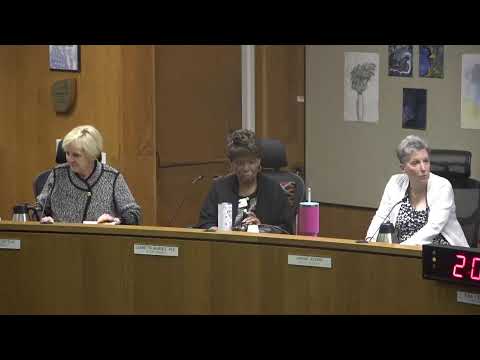
The Alachua County School Board discussed a proposed school surveillance system access agreement with the Gainesville Police Department on Sept. 2, with board members expressing support for emergency access while stressing the need for strict guardrails, auditing and a shorter contract term.
Chief Pelton and Major Jamie Kernick of the Gainesville Police Department described the Real Time Crime Center model and said the technology is used elsewhere in the region for emergency situations. Chief Pelton told the board the superintendent recommended adoption of a "school surveillance camera system access agreement as presented." Major Kernick offered to arrange a visit so board members could see how the crime center operates and to review the department's internal policies for camera use.
Several board members said they supported law enforcement having tools to respond to a critical incident but asked for firm safeguards. Dr. McNeely moved to adopt the agreement and asked that the board limit the agreement's initial length to two years (rather than the multi-year term shown in the draft) and to require regular auditing and district oversight. Mr. Vu and Vice Chair Certain emphasized the district's right to end access and the district's control over audits and data reviews.
District staff said the draft agreement included a firm end date (08/01/2030 was cited in discussion) and noted the access was limited to one specific law-enforcement unit and intended for serious emergencies rather than routine monitoring. Chief Pelton and Major Kernick said the system would allow remote personnel who are not on a school site to provide calm oversight and support during incidents and that the department maintains written policies on use. Major Kernick said, "we would be willing if the school board wanted to come to the police department to see our real time crime center. We would afford that opportunity."
Board members repeatedly raised questions about bias risks in camera and analytics systems and asked that district staff retain final authority to audit or revoke access if the board or administration determine the system was misused. Vice Chair Certain said the district should not sign open-ended agreements and asked for a shorter term and routine status reviews. Dr. McNeely said she was particularly concerned about potential misuse to surveil students or staff outside of emergency contexts; she described the standard as "trust but verify" and asked for controls to prevent inappropriate use.
Why it matters The agreement would allow a law-enforcement real-time monitoring unit access to designated school camera feeds during emergencies. Supporters said quicker access could help law enforcement and district leaders coordinate reunification and response in an active incident. Critics and cautious board members said the board should require clear limits, audit logs and a defined review process to protect student privacy and guard against mission creep.
Clarifying details and next steps - Draft term mentioned in the meeting: agreement language referenced an end date of 08/01/2030; board members asked staff to consider a shorter initial term (two years). - Access limited to a specific real-time unit; the agreement did not authorize continuous monitoring by multiple agencies. - Board members requested at least weekly implementation briefings during the initial months and periodic audits. - Major Kernick offered to host board members for an in-person review of the Real Time Crime Center.
Ending Board members approved moving the item to action and requested staff return with a version that shortens the initial term, codifies audit and oversight procedures and clarifies the process to revoke access if misused.