Get Full Government Meeting Transcripts, Videos, & Alerts Forever!
Get email alerts on the Student Transportation topic
No spam. Unsubscribe anytime.
Parents raise safety concerns after bus-routing and app failures; superintendent points to two-mile statute and hazardous-walking process
Summary
Parents said new bus-tracking app failed on the first day of school, leaving students without clear bus numbers for long waits; superintendent reminded the audience of the two-mile statutory threshold and the hazardous-walking evaluation and courtesy-rider process.
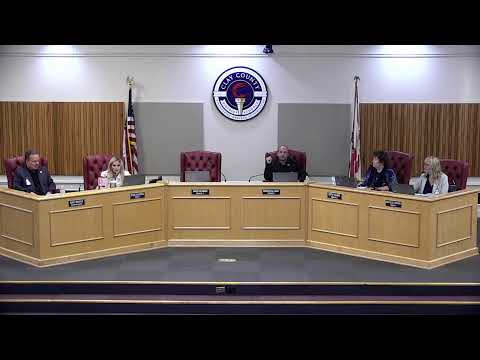
Multiple parents told the Clay County School Board on Sept. 4 that recent transportation changes and technology problems left students waiting without clear bus information and asked the district to restore service in some neighborhoods.
Parent Adam Warren described repeated failures of the district's Chipmunk bus-tracking app after the district moved away from the previous Here Comes the Bus system. He blamed the new system for students and parents not receiving robo calls, inaccurate bus tracking and one instance when a bus arrived about 45 minutes late.
"That's dangerous. That is a huge, huge, huge lawsuit," Warren said, describing middle-school students waiting at a stop without bus-number information.
Parent Kawanna Hawthorne said her eighth-grade daughter lost bus service this school year because of a change in transportation eligibility and faces a 45-minute walk along roads she described as unsafe.
Superintendent Broski told the board the Chipmunk app worked through the summer but stalled once high statewide usage began on the first day of school; the vendor fixed those issues for affected users, he said. He also reminded the public that Florida's student-transportation statute sets a two-mile threshold for bus eligibility and that families who believe a route is unsafe can request a hazardous-walking condition evaluation. He added the district has completed more than 100 such evaluations and, where appropriate, will provide transportation or consider courtesy ridership when space is available.
Why it matters: Transportation failures that leave students uncertain about pickup can create safety risks for school-age children and prompt parental concern and potential liability for the district. The statutory two-mile threshold and hazardous-walking evaluation process determine who is eligible for bus service; parents said they need better communication when routes change.
Next steps: Superintendent Broski said transportation staff are available to discuss individual cases and that district leaders will continue to evaluate hazardous-walking requests and courtesy-rider placements.