Lifetime Citizen Portal Access — AI Briefings, Alerts & Unlimited Follows
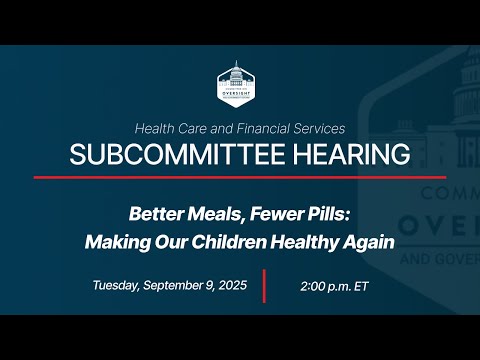
House Oversight subcommittee hears administration plan to address childhood chronic disease and school nutrition
Loading...
Summary
HHS and USDA witnesses told a House Oversight subcommittee they are prioritizing prevention, updates to the Dietary Guidelines, and steps to promote whole foods in child nutrition programs while members pressed on SNAP cuts, food prices and ultra‑processed foods.
Acting Assistant Secretary for Health Dorothy Fink and Dr. Eve Studi, director of the Nutrition Guidance and Analysis Division at the U.S. Department of Agriculture, told the House Oversight and Reform subcommittee that the administration is emphasizing prevention and nutrition as part of a strategy to curb rising chronic disease among children.
Fink, a physician who said she is triple board‑certified in internal medicine, pediatrics and endocrinology, described a focus on “evidence‑based prevention, nutrition, physical activity, and lifestyle interventions” and said HHS aims to update clinical training so health professionals can counsel families on nutrition. “There is hope,” she said, adding that many conditions are preventable and, in some cases, reversible.
The witnesses framed several specific efforts as part of that approach: supporting breastfeeding and access to safe formula through an initiative Fink called Operation Stork Speed; updating the Dietary Guidelines for Americans; restoring emphasis on daily physical activity for children, including reinstating a presidential fitness test; and coordinating with USDA on federal nutrition programs.
Dr. Eve Studi said USDA and HHS have started a request for information to develop a consistent definition of “ultra‑processed” foods to improve research and policy. She described the Healthy Eating Index average score for U.S. children (ages 2–18) as about 54 out of 100 and said common sources of calories are desserts, sugar‑sweetened beverages and savory snacks. “On any given day, about half of our youth do not consume a vegetable or a fruit,” Studi said.
Committee members repeatedly raised access and affordability concerns. Several members pressed witnesses on reports of rising produce prices and the possible effects of proposed SNAP and Medicaid cuts. Studi noted USDA has approved state waivers to restrict SNAP purchases of “non‑nutritive items” such as soda and candy and said USDA is purchasing fresh produce for nutrition assistance programs. Studi also mentioned recent and upcoming farm‑to‑school grant opportunities intended to increase local produce in school meals.
Witnesses and members cited several statistics during the hearing: about 36% of children and adolescents have excess weight; roughly one‑third of adolescents have prediabetes; one USDA estimate cited that about 61.9% of calories consumed by youth are from ultra‑processed foods; and the average Healthy Eating Index for 2‑ to 18‑year‑olds is about 54. Those figures were offered by the witnesses or cited by members during questioning.
Members asked how changes to federal programs would affect immediate access to nutritious meals. Fink said HHS and USDA are “collaborating to take SNAP to the next level” and to ensure children have access to wholesome foods, but she declined to characterize broader budgetary proposals during the hearing. Studi pointed members to USDA’s Economic Research Service for specific price data and described educational components of WIC and school nutrition programs as communication channels for guidance.
The hearing also included discussion of the Make America Healthy Again (MAHA) commission report, which witnesses and members referenced as framing the administration’s priorities on prevention and nutrition.
The subcommittee allowed members five legislative days to submit additional materials and questions for the record; the hearing record will include the witnesses’ prepared statements.