Get Full Government Meeting Transcripts, Videos, & Alerts Forever!
Get email alerts on the School Budget topic
No spam. Unsubscribe anytime.
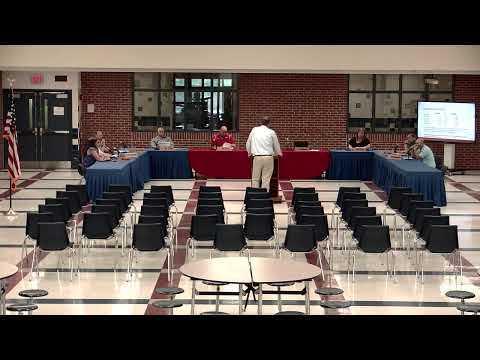
Mount Pleasant Area SD presents budget with proposed 1.5‑mill increase; cyber charter costs highlighted
Summary
District business manager outlined a budget that includes a proposed 1.5‑mill tax increase, projected fund‑balance scenarios, rising health insurance and cyber charter tuition costs, and capital needs; board to consider final vote next week.
The Mount Pleasant Area School District’s business manager presented a proposed budget that includes a 1.5‑mill tax increase the board will consider at a vote next week.
The presentation laid out scenarios showing how different millage increases would affect the district’s projected deficit and fund balance, and flagged major cost pressures including rising health insurance premiums, cyber charter tuition, vocational center enrollment increases and capital needs such as a replacement maintenance truck and classroom device refreshes.
The business manager said, "1 mill for us generates a little over a $156,000 in tax revenue." He told the board a homeowner with the median assessed value would pay about $1,614 in total real estate taxes at the budget’s proposed millage rate and that a 1.5‑mill increase would raise that homeowner’s tax bill by about $25.40. He added that larger homestead property tax relief this year — $40.98 per median homestead — would more than offset part of the increase so "the median taxpayer will pay $15.88 less in taxes this year." The budget document presented to the board lists a proposed millage rate of 95.32 mills.
The business manager described multiple cost pressures in the budget: a 9.4% increase in health insurance premiums that added about $295,000 over last year, a $1,840,000 line for cyber charter tuition (an increase of $240,000), and higher tuition for CWCTC driven by more Mount Pleasant students enrolling. He said PSERS employer retirement costs are budgeted at 34% of salaries, with a net cost after state reimbursement of $2,141,715.
Cyber charter tuition drew repeated attention from board members. The business manager said the governor’s proposal to cap cyber and charter tuition at $8,000 per student would, if enacted, save the district about $435,000, but he characterized that outcome as "highly unlikely" and cautioned the board against budgeting on the assumption the state will enact that change before the district’s fiscal year begins.
On fund balance, the business manager reported a projected ending fund balance "a little over $5,100,000," which he gave as 13.42% of total budgeted expenses, and showed scenario projections under no increase and various millage increases. He said under the 1.5‑mill scenario the district would be at about 11.92% in one slide and later summarized the fund balance projection at roughly $5.1 million (13.42%), explaining that maintaining a multi‑percent reserve is important for cash flow early in the fiscal year and for preserving bond ratings.
Board members asked about enrollment and attendance issues tied to cyber charter transfers. The presentation noted the district typically pays cyber charter tuition for about 100–110 students and that some students who enroll in cyber programs had not previously attended Mount Pleasant schools. The business manager described the district’s outreach: "Allen Balinski meets with every single cyber charter" family and the district’s attendance specialist follows up to try to retain students.
Capital and equipment items discussed included continuing a multi‑year replacement for high school classroom chairs, budgeting $150,000 annually for student device refreshes, financing (not leasing) a maintenance truck and a Steiner tractor over three years instead of an outright purchase, and a planned $70,000 capital reserve transfer. The business manager said financing the truck over three years would reduce the immediate budget impact and estimated interest rates in the 7% range.
Board members asked whether a lower millage increase (1.0 mill) would be workable; the business manager said it was possible but cautioned that recurring deficits compound over years and could force much larger increases later. He recommended the 1.5‑mill option as the most conservative way to manage uncertainty in revenues and expenses.
No final vote on the budget occurred at the meeting; the business manager said he would present the budget for approval next week and would come prepared with contingency scenarios should the board choose a different millage level. The meeting ended with a procedural motion to adjourn that passed.
Ending note: The board scheduled final action on the budget for its next meeting; the presentation materials and the business manager’s slides were distributed to members for review.