Planning commission approves Spring View Village master plan and Phase 1 preliminary plat
Summary
The Springfield Municipal Regional Planning Commission on July 1 approved the final master development plan for Spring View Village, a 95.7-acre planned unit development, and a preliminary plat for Phase 1 covering about 37.79 acres.
The Springfield Municipal Regional Planning Commission on July 1 approved the final master development plan for Spring View Village, a planned unit development located at the southeast corner of William Batson Parkway and Old U.S. Highway 431, and separately approved a preliminary plat for Phase 1 of the project.
The approvals clear the concept-level master plan for a 95.7-acre development proposing 568 dwelling units — described by the applicant as 177 single-family lots, 30 detached cottages, about 96 townhouses and roughly 265 apartment-style units — and a Phase 1 preliminary plat that covers about 37.79 acres and proposes 92 single-family lots plus two parcels reserved for future townhouse development.
City staff told the commission the revised master plan remains substantially the same as a plan originally approved in 2021 but required a new approval because the developer did not commence work within the vested-rights time frame. Staff reported the project includes about 15.1 acres of open space (roughly 16% of the site) and a proposed density of 5.94 units per acre, which staff said is within the R-7 PUD maximum of 6.22 units per acre. Staff recommended approval of both the final master development plan and the Phase 1 preliminary plat subject to conditions.
"The revised plan is substantially the same in layout, design, and character as what was previously approved," city staff said during the presentation. The commission voted to approve the master plan and then the Phase 1 preliminary plat with the conditions read into the record.
City staff summarized the conditions placed on the Phase 1 preliminary plat as: (1) the final plat must be consistent with the approved preliminary plat and include dedication of easements, rights-of-way and common areas; (2) a recorded homeowners association declaration must be submitted to ensure long-term maintenance of amenities, common areas and stormwater facilities located outside the public right of way; and (3) all outstanding civil engineering comments must be fully addressed and approved before the city issues any grading or building permits.
Hunter Dale, identified in the meeting as the authorized agent for the development with Dale & Associates, said the applicant expects to finish construction drawings for Phase 1 in the summer and fall and anticipated starting construction in 2026. "I think the anticipated start time will be 2026," Dale said, adding that the multifamily portion of the project is likely years later and will depend on market conditions. He described an intended sequencing in which the developer builds public roads and infrastructure for single-family parcels first, plats those parcels, then allows builders to take lots and later pull site plans for multifamily parcels.
John Cooper, an attorney with Holland & Knight representing the property owner and developer, told commissioners that the final master development plan is a concept-level document intended to set the overall layout, phases and locations; he said more design detail would appear at the preliminary and final plat stages when specific lots and infrastructure are recorded.
Commissioners pressed the development team on timing, likely phasing and what controls — such as homeowners association covenants or final plat conditions — would ensure long-term maintenance of common areas and stormwater infrastructure. Renee Isaacs, a development-team representative, described how the developer typically seeds HOA accounts at project start to reduce the risk of underfunded associations later. Isaacs said the developer typically "start[s] the account off between $50,000 and $100,000" so the association has an initial reserve and then monthly or annual dues build the account over time.
Commissioners also discussed architectural consistency and materials. Staff and the developer said architectural controls and any covenant language would be addressed later in HOA documents and final plat approvals; the commission noted concerns and requested the items be brought forward when appropriate.
The commission’s approvals advance the project to the next steps: completion of construction drawings, submittal of civil plans, and recordation of the required HOA declaration before final plat approval and permits. City staff also said civil engineering comments must be satisfied before grading or building permits issue.
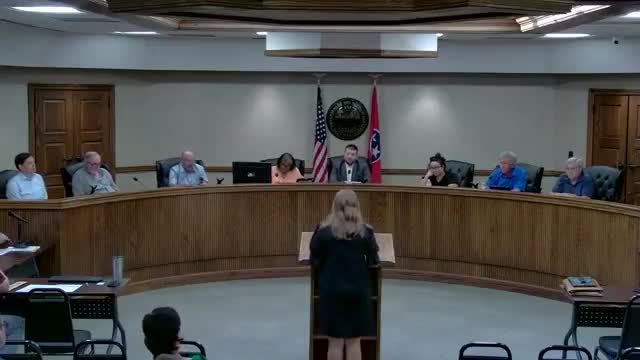
The approvals were taken at the July 1 regular meeting of the Springfield Municipal Regional Planning Commission. The developer team said it will proceed with construction drawings and follow the conditions set by staff and the commission.