Get Full Government Meeting Transcripts, Videos, & Alerts Forever!
Get email alerts on the Childcare topic
No spam. Unsubscribe anytime.
Cook County updates childcare programs: wage enhancement continues, county needs about 98 more infant/toddler spots
Summary
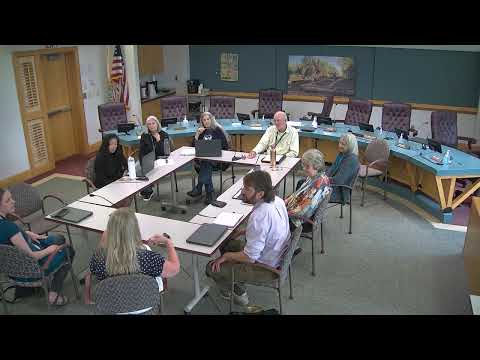
At the July 17 Committee of the Whole, Nancy Dunning reviewed three years of childcare work in Cook County, reporting program stability, wage-enhancement funding, several capital and operating grants, and an estimated need for 98 additional childcare spots concentrated in the infant/toddler age group.
Nancy Dunning, who leads the county27s children and family services within Public Health and Human Services (PHHS), briefed the Committee of the Whole on Tuesday, July 17 on the county27s childcare initiatives, reporting continued provider stabilization, ongoing wage-enhancement payments, and several grant-funded projects aimed at increasing infant/toddler capacity.
Dunning said county investments in 2024 for the wage enhancement program totaled a little over $224,000 and supported 25 providers serving about 85 children. She told the committee that though Cook County and Grand Portage have roughly 120 licensed childcare spots combined, only about 85 children are currently served — a gap Dunning attributed to some children attending ISD 166 preschool slots and to shifts in provider offerings (for example, some centers moving to full-time-only schedules).
Dunning highlighted that the greatest need is for infant and toddler spots. She summarized license-ratio realities the committee heard: infant rooms typically allow four infants per teacher, toddler rooms allow seven toddlers per teacher and preschool rooms can accommodate more children per teacher, making infant/toddler care more expensive for providers and harder to sustain without additional funding.
Programs and grants described in the presentation include a 2024 DEEP grant of about $250,000 used across multiple local providers, a Northland Foundation childcare mentorship grant that was renewed for 20252026, and a recently awarded DEEP grant of $385,000 beginning July 1 to support childcare through December. Dunning also described local projects the county supported: remodeling an upstairs space at Cooperation Station to create housing for potential staff, playground renovation assistance for the YMCA, making the Northwoods playground and entry more accessible, and material/equipment support (refrigerators, washers) for small family providers.
Dunning said Cooperation Station has been closed for almost 11 months while seeking a primary caregiver and is scheduled to reopen July 29. She also described a continued wage-enhancement payment to early care staff: the program began in 2023 at roughly $5.77 per hour and in 2025 the enhancement is $6.11 per hour; county investment for 2025 to date is a little over $84,000 and the county currently supports 26 providers.
Dunning quoted providers and educators who credited the wage enhancement with helping recruitment and retention. In a written comment included in the packet, Emily Marshall called the county27s investment "measurable and impactful" and wrote, "Child care is not a family issue. It's a workforce and economic issue." Dunning also reported a mix of responses from early-education staff emphasizing that without continued stabilization funding some programs could reduce services or close.
Dunning said the county continues outreach to family, friend and neighbor (legal nonlicensed) providers, offers a renewable $500 assistance grant for those providers, and makes $500 one-time grants available through DCYF (state) programs. She said the county provides mentoring stipends (quarterly payments for participation), licensing assistance and technical help through a newly hired licensor and childcare coordinator.
Dunning asked for permission to return with follow-up survey results from a repeat of the First Children27s Finance/RSIP study; she expected results in time for the August board meeting. Commissioners and other participants thanked staff and noted childcare27s role in workforce and community infrastructure.
No formal motions or votes were taken during the presentation; staff asked to return with additional documentation and survey results at the next board meeting.