Get Full Government Meeting Transcripts, Videos, & Alerts Forever!
Get email alerts on the Public Safety Drones topic
No spam. Unsubscribe anytime.
Thief River Falls police describe drone program as search-and-rescue tool, invite public comment
Summary
Deputy chief told the City Council the department received two drones from Great Plains EMS for search-and-rescue and officer safety, said operations are regulated by state statute and require warrants for surveillance; council members voiced support and asked about training and uses.
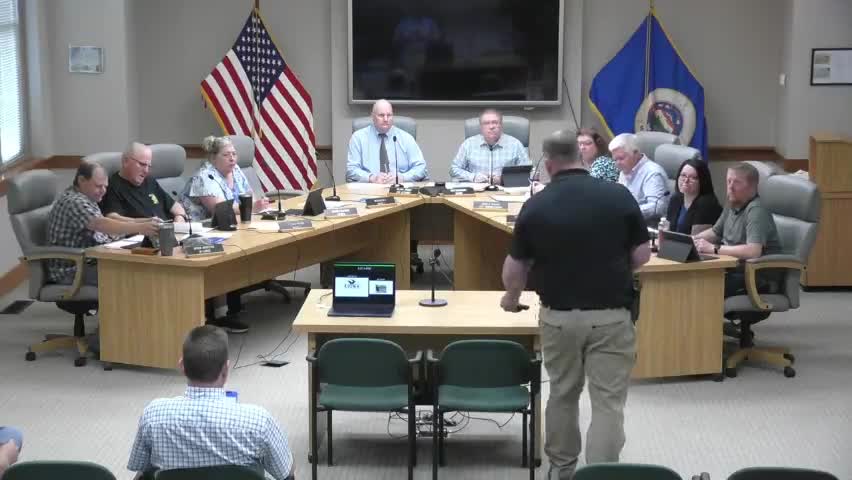
Deputy Chief told the Thief River Falls City Council that the police department received two drones from Great Plains EMS and is offering the program for public comment as required by state statute. He said the larger drone (a Matrice-class platform) has thermal imaging and “200 times zoom” for outdoor searches, and a smaller interior-capable drone would be used where it is unsafe for officers to enter.
The deputy chief said the department also has a smaller drone that does not trigger the same notification requirements. He emphasized that drone use is “heavily regulated” under state law and that any surveillance would require a search warrant just like other electronic searches. “To do any kind of surveillance would require a search warrant with a drone just like it would for any other type,” he said.
City council members and public-safety staff discussed operational details and training. The deputy chief said two officers (including himself), Officer Ben Turrisen, one investigator from the county sheriff’s office and two dispatchers hold FAA Part 107 certifications and are certified to operate the aircraft. He and other speakers said drones have been used alongside other agencies in large-area searches — citing one past search as an example of where the technology aided officers — and noted secondary uses such as detecting hot spots for fire response.
Council members who spoke said they supported the program’s potential to speed search-and-rescue responses and improve officer safety, noting district helicopter response times can be lengthy. Some public comments raised confidentiality and overreach concerns; council members and the deputy chief responded by pointing to statutory limits and warrant requirements. No formal council action on the drone program was recorded in the transcript.
The council meeting record shows the department placed the drone program on the agenda to satisfy the statute’s public-notice requirement and invited objections or questions. The deputy chief offered to read the list of authorized uses from the statute for anyone who wanted specifics.
The discussion ended with council members expressing support for the search-and-rescue and officer-safety applications and noting plans to continue training for broader interagency use.