Get Full Government Meeting Transcripts, Videos, & Alerts Forever!
Get email alerts on the Public Safety topic
No spam. Unsubscribe anytime.
Leesburg police present 2024 report showing rises in retail theft, burglaries and alcohol-related incidents
Summary
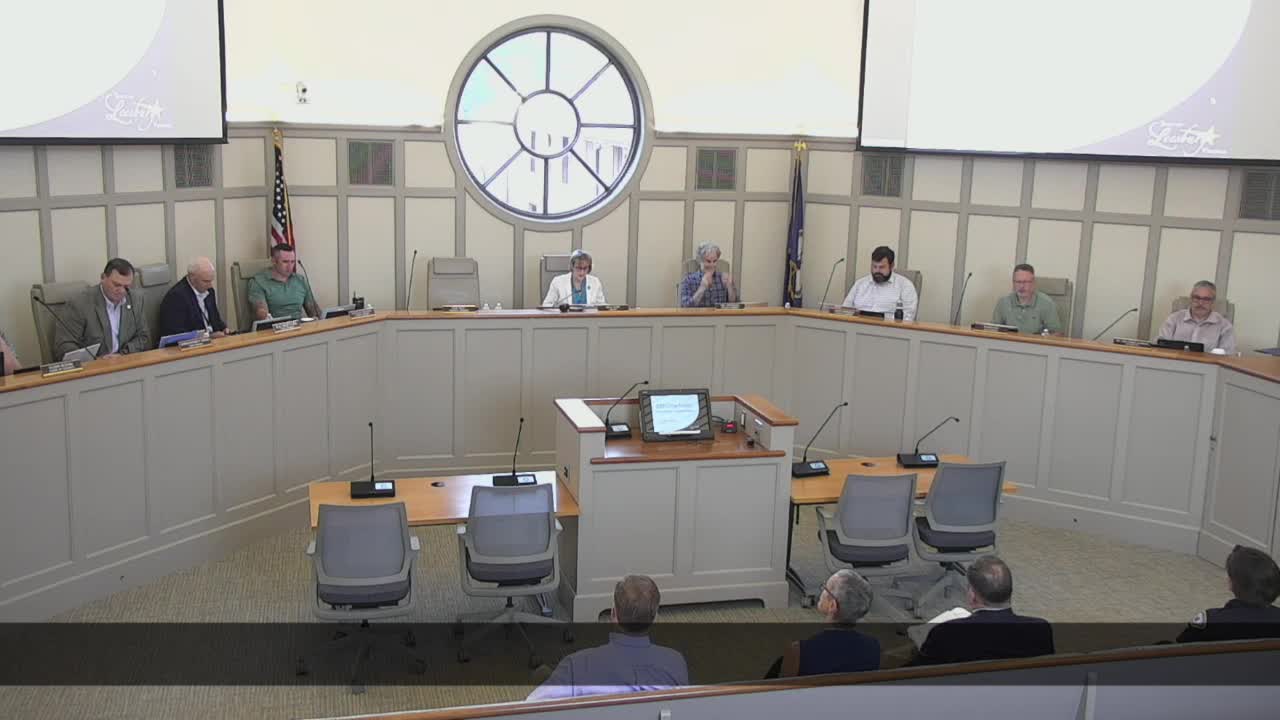
Leesburg Police Chief presented the department’s 2024 annual report to the Leesburg Town Council at its July 21 work session, saying some crime categories rose compared with a three‑year (2021–2023) average while others fell.
Leesburg Police Chief presented the department’s 2024 annual report to the Leesburg Town Council at its July 21 work session, saying some crime categories rose compared with a three‑year (2021–2023) average while others fell.
The report showed several headline changes: burglary was up 56.2 percent; disorderly drunkenness increased by 341 percent; reported “abductions” were down about 38.6 percent; and certain cyber‑related or digitally enabled property crimes rose substantially (an increase described in the presentation as roughly 69 percent in one cyber category). The chief said the 2024 numbers were measured against the average of 2021–23 so the council could “get a real analysis of what’s going on.”
Why it matters: council members pressed the department for detail because the trends affect downtown safety, trail use and the town’s partnerships with businesses and prosecutors. Police briefed the council on enforcement steps and investigative cooperation with local, state and federal partners.
The chief said retail theft in Leesburg shows signs of organization, with thefts from jewelry stores and other targets reflecting coordinated activity. “They’re pretty easy to break into,” the chief said of some targeted vehicles, and staff explained social‑media content can contribute to opportunistic theft patterns. The department reported outreach to loss‑prevention staff, coordination with the Commonwealth’s attorney’s office for dedicated prosecution, and active work with federal partners on cases with out‑of‑area perpetrators.
Traffic and alcohol incidents were highlighted. The department reported 59 DWI arrests in the first half of the year compared with 68 during the same period the prior year, and said alcohol‑related crashes rose in 2024. Council members asked whether the alcohol incidents were concentrated at particular businesses; the department said a few establishments produced disproportionate calls and that owners had worked cooperatively with police to reduce incidents. The chief also noted an increase in trespassing reports from 14 to 32 and said many involved repeat offenders or people found sleeping in apartment laundry rooms.
The report described technology and tactics the department has used to respond to trends: license‑plate readers that provide preemptive alerts, analytic tools under review, and a special enforcement team that patrols by bike to access trails and dense pedestrian areas. The chief said the team is bike‑certified but currently down to three officers because of one injury and one resignation. The W&OD Trail was singled out for repeated calls; the chief gave common days and hours for incidents (Thursday, Monday and Tuesday evenings; roughly 7–9 p.m. and morning hours around 8–9 a.m.).
On overdoses and fatalities, the chief credited wider Narcan availability—both carried by officers and increasingly in the public—for preventing fatal overdoses in the most recent reporting year. “So it was a good year, and we continue on that track currently this year,” the chief said, attributing the result to Narcan and public education.
Council members asked for continued updates on retail‑theft prosecutions, traffic‑safety enforcement and staffing flexibility for the special enforcement team. The chief asked for “a little more flexibility in our staffing” to sustain the bike team and similar initiatives.
The department provided several concrete counts for the council’s reference: the report noted 85 retail‑theft cases closed by detectives (with 26 still active), an increase in some cyber extortion and impersonation schemes involving out‑of‑area actors using spoofing and AI, and a near doubling in certain low‑level quality‑of‑life arrest categories reported as 387 total in one category. The chief also emphasized seasonality in some trends, noting retail theft typically peaks in the fourth quarter.
Council members thanked the department and asked that staff return with follow‑up slides on retail theft, traffic enforcement and the department’s special enforcement staffing model.