Get Full Government Meeting Transcripts, Videos, & Alerts Forever!
Get email alerts on the Building And Code Enforcement topic
No spam. Unsubscribe anytime.
Council tables changes to vacant‑building ordinance after downtown property owners protest stronger rules and fees
Summary
After several downtown property owners and the Downtown Business Improvement District urged rollback of proposed amendments, the council voted to table further action on the city’s vacant‑building ordinance to allow more stakeholder outreach and revision.
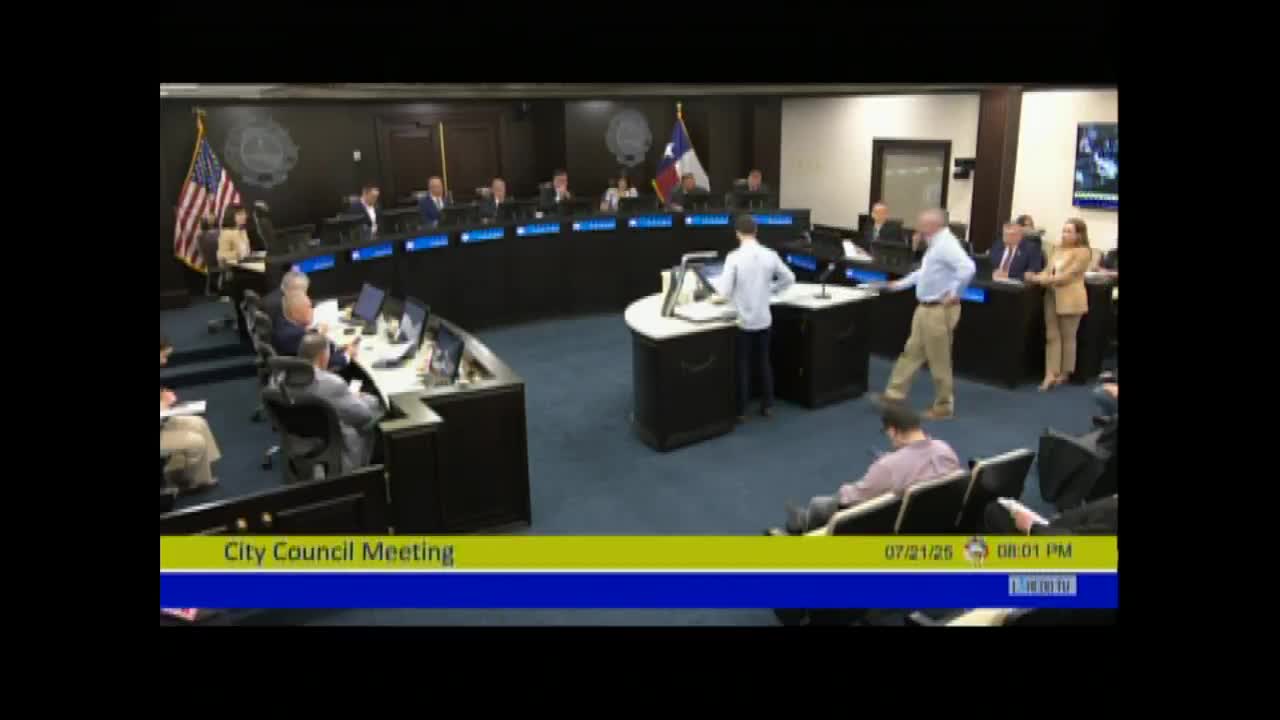
The City Council voted to table proposed amendments to the vacant‑building ordinance after lengthy public comment from downtown property owners and business groups who said the draft language and fee schedule would discourage rehabilitation rather than promote it.
Community members, including the Downtown Business Improvement District chair and property‑owner representatives, told council the revised draft adopted by staff raised fees, broadened subjective standards of care, and could require costly upgrades that owners said would drive demolition rather than renovation. Critics also said the staff-drafted amendments removed language requiring proactive city outreach to property owners — a change they said would leave owners vulnerable to automatic denial of fee waivers if staff misses a 30‑day response window.
City staff told the council they had begun outreach and that the July staff report was intended as an update on that early engagement. Several council members said they wanted a broader, documented process and clearer draft policies before moving forward. Council voted unanimously to table the item and directed staff to continue stakeholder meetings and return with a revised proposal.
Public commenters asked for explicit allowances for longer timelines, clearer waiver and appeals processes and coordination with pending building‑code updates to avoid forcing owners to pay for upgrades they could not complete until codes were updated.
The tabling preserves the current ordinance language while staff and stakeholders continue a multiweek outreach and drafting process.