Get Full Government Meeting Transcripts, Videos, & Alerts Forever!
Get email alerts on the Housing Funding topic
No spam. Unsubscribe anytime.
Lynnwood reopens debate on 'Fund 146' housing revenue; council weighs permanent housing, rental assistance and help for mobile home residents
Summary
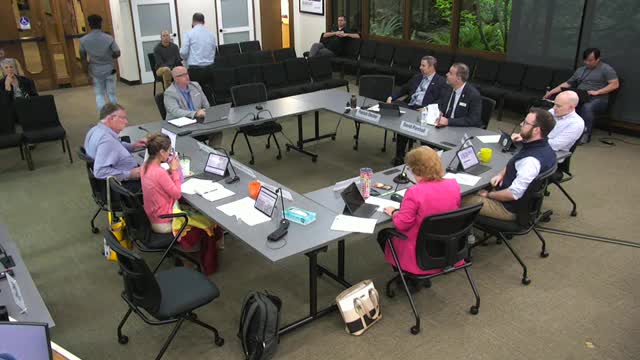
City staff reopened a policy discussion about a sales‑tax derived housing fund commonly called "Fund 146" during the July 21 Lynnwood City Council work session, saying the fund contains about $960,000 and seeking council guidance on whether to prioritize permanent housing projects or programmatic rental assistance.
City staff reopened a policy discussion about a sales‑tax derived housing fund commonly called "Fund 146" during the July 21 Lynnwood City Council work session. Carl Almgren, community planning manager, told council the account has accumulated roughly $960,000 and that staff want council direction on whether the city should prioritize programmatic assistance (for example rental assistance) or investments in permanent affordable‑housing supply.
Almgren said the fund grew from a state enabling measure referenced in staff materials as "1406" and that the city's current balance is nearly $1 million. He presented options including establishing a minimum fund balance, setting a maximum annual expenditure, using the fund as gap financing for housing development, providing rental assistance or helping manufactured‑home residents. He said staff plan to involve the Human Services Commission in developing a formal policy and to return a resolution for council consideration.
Staff view and constraints: Almgren and staff noted that the fund's revenue stream is sales‑tax based and therefore variable; the balance is modest for capital projects and is best used as leverage or a "force multiplier" to attract additional funding for larger projects. Almgren said staff preference generally is to direct the majority of the fund toward projects that create permanent housing rather than one‑time programmatic spending, but they also flagged programmatic options as feasible with careful administration.
Council discussion: council members voiced differing priorities. Council member Hurst mentioned rental assistance administered by a third party as a plausible use. Council member Decker urged consideration of mobile‑home residents and older adults, arguing that smaller sums could have outsized benefit if targeted to residents who cannot relocate. Council member Coelho favored partnering with housing providers and using funds to help projects overcome financing or fee barriers (for example permitting or impact fees) and also suggested preserving a nest egg to use interest income to support ongoing programs. Other council members asked that any spending mechanism be open to multiple providers through a request for proposals so the city can weigh applicants consistently.
Next steps: staff said they will draft policy options, engage the Human Services Commission, and return to council with a recommended resolution that sets spending criteria (for example a potential minimum balance, application/award cadence and allowable uses). No council decision was made at the work session.