Get Full Government Meeting Transcripts, Videos, & Alerts Forever!
Get email alerts on the Animal Services Pet Limits Wildlife Trapping topic
No spam. Unsubscribe anytime.
Garland staff recommends maintaining wildlife trapping service; parks advisory committee asks staff to continue pet‑limit data gathering
Summary
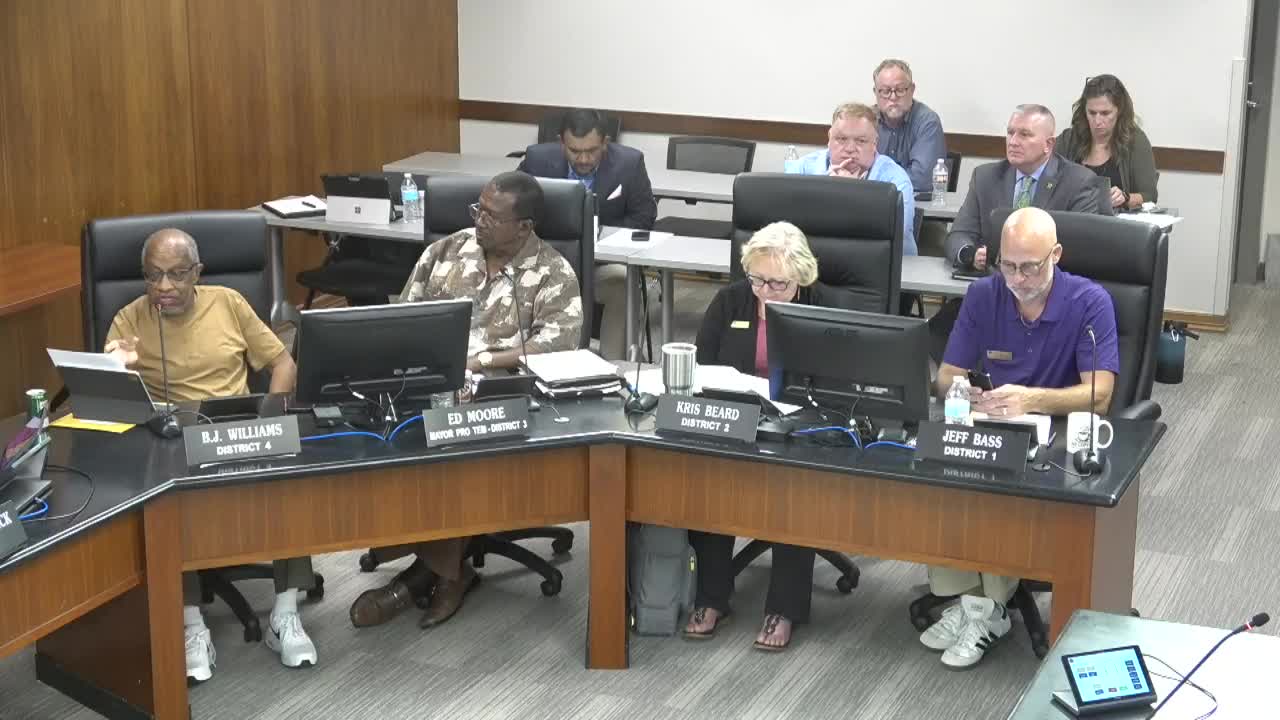
Staff recommended no immediate change to wildlife trapping — calls dropped due to outreach — and ASEC advised continuing current trapping service. On pet limits, staff found few verified neighborhood complaints and the animal services advisory committee recommended tabling changes until year‑end while the city collects more data.
City staff reviewed complaints, enforcement experience and peer‑city rules on household pet limits and on wildlife trapping services.
Pet limits: staff examined Garland Code Section 22.21 and neighboring city ordinances. Between April and May staff logged 3,323 calls and 122 service orders across animal services, but only five complaints related to excessive animals; staff verified one and the owner surrendered nine cats. Staff told council that 10 of 13 peer municipalities regulate the number of dogs and cats by property type, lot size or zoning, but there is no single statewide standard. The Animal Services Advisory Committee recommended tabling policy changes until the end of the year so staff can build a heat map of high‑call areas and collect more evidence about problem households. The city attorney and animal services staff are revising chapter 22 to allow enforcement on defined first‑offense circumstances that pose immediate health or safety risk.
Wildlife trapping: staff reported a multiyear decline in routine trapping calls after expanded public education about removing food sources and securing attractants. Garland averaged about 1,200 calls per year from 2020–2022, peaked at 1,309 in 2023 and fell by nearly 500 calls in 2024. In 2025 through May the city had logged 227 calls (roughly one call per day); about 30% of calls were for rabies‑vector species that must be handled by the city. Based on falling call volumes and concerns about creating a cost barrier for lower‑income residents should the city stop providing animal trapping, the Animal Services Advisory Committee recommended no change to trapping services and staff proposed operational adjustments (one ASO moved to a weekday schedule to expand capacity where most calls arrive).
Council did not adopt ordinance changes and asked staff to return with additional data. Staff will continue outreach and education and will prepare a heat‑map‑based enforcement approach and a code revision (if warranted) after collecting more data this year.