Get Full Government Meeting Transcripts, Videos, & Alerts Forever!
Get email alerts on the State Legislation topic
No spam. Unsubscribe anytime.
Nevada lobbyists brief Douglas County on 2025 legislative session; China Spring and budget constraints highlighted
Summary
McDonald Carano lobbyists briefed commissioners on the 2025 legislative session outcomes, including limited budget flexibility, the status of China Spring youth camp funding, bill highlights (AB241, SB69, SB324, SB116, SB426), and the governor's extensive use of vetoes this session.
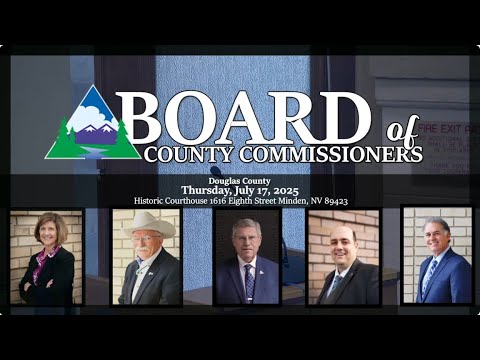
McDonald Carano government affairs representatives summarized key outcomes from Nevada’s 2025 legislative session for the Douglas County Board on June 19, focusing on budget constraints, selected bills, and local priorities.
Session context and budget
Lindsay Knox, senior vice president of McDonald Carano, told the board that the session ended June 2 without special sessions and that the state budget was largely flat after the legislature found discrepancies between presented numbers and economic forum projections. The constrained budget left limited room for new programs or substantial increases.
County priorities and China Spring
Knox and county staff described China Spring Youth Camp — a residential program serving at-risk youth across 16 northern Nevada counties — as a priority. She said legislative chairs and agency heads recognized the program’s value following staff-led tours and briefings and that further outreach to southern legislators could help secure additional funding. Several commissioners and staff, including County Manager Jennifer Davidson, praised county staffers and lobbyists for their work on China Spring outreach.
Selected bills discussed
- AB241 (multifamily/mixed use): Required local governments to permit multifamily or mixed uses on commercial property in some jurisdictions; Davidson and Knox said the Tahoe Basin was specifically excluded in amendments negotiated for local protections. - SB69 (economic development / tax abatements): Requires applicants for transferable tax credits or partial tax abatements in economic districts to enter agreements with local governments to offset public service costs; the board was told the bill aims to ensure developers account for local service impacts. - SB324 (single-use bottle ban in Tahoe): The bill underwent amendments and generated contention; it died in committee after stakeholders and legislators were unable to reach agreement. - SB116 (pay bill): The pay bill passed and took effect July 1, with amendments that sought to limit local burden and phase raises reasonably. - SB426 (scenic byway safety zone): Creates safety zones along Lake Tahoe roads and takes effect Oct. 1; the board noted an amendment was added to prohibit lane reductions in the Tahoe Basin.
Other session observations
Knox noted a record number of vetoes by the governor (87), reflecting contentious politics and election-year positioning. She also described a statewide conversation about consolidating boards and commissions (SB431-similar efforts) that consumed legislative attention but stalled in session.
Why it matters
Commissioners said understanding the 2025 session helps County departments prepare for likely funding levels, anticipate policy changes that could affect local land use and permits, and shape outreach to legislators during the interim. Commissioners also welcomed increased state recognition of China Spring and described their intent to press for more state funding in future cycles.
Ending note
County leaders and lobbyists said they will continue to meet with legislators, pursue targeted briefings and tours for southern legislative leaders, and prepare for the 2027 session by building support and clarifying the county’s funding needs for China Spring and other priority programs.