Get Full Government Meeting Transcripts, Videos, & Alerts Forever!
Get email alerts on the Finance.fiscal Year End topic
No spam. Unsubscribe anytime.
Toquerville closes fiscal year with stronger fund balance; city manager proposes building cemetery perpetual care reserve
Summary
City Manager Ben Billingsley reported preliminary fiscal‑year results showing a 25% general fund balance and lower‑than‑budgeted reduction in fund balance; he recommended retaining cemetery perpetual‑care receipts to grow an endowment that will finance long‑term cemetery maintenance.
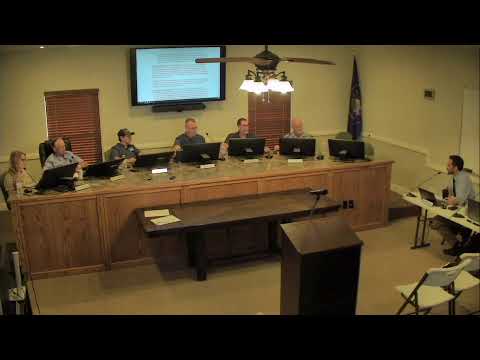
The Toquerville City Council received a fiscal‑year‑end update on July 16 showing the general fund ended the year with a stronger‑than‑expected fund balance and that the city manager proposes a conservative approach to the cemetery perpetual‑care fund.
City Manager Ben Billingsley told council the general fund preliminary fund balance finished near 25% of expenditures — higher than the staff projection of 22–23% — and that the audited figures may change slightly once the city’s year‑end audit is complete. On revenues, sales tax and grants were close to budget, building permit fees were lower than expected due to timing delays, and pass‑through utilities (solid waste and sewer) showed higher activity, increasing both revenues and expenses.
Billingsley described the cemetery perpetual‑care fund (Fund 70) as low‑balance relative to long‑term obligations. Under state law and local practice, perpetual‑care revenues are intended to help maintain gravesites in perpetuity. Billingsley recommended minimizing draws from the perpetual‑care fund and instead accumulating principal so investment income can support future maintenance costs; he compared the situation to landfill post‑closure funds that must be preserved to pay for very long‑term expenses.
Council discussion touched on whether maintenance costs should come from the general fund, whether the split of plot sale fees between general operations and perpetual care should be adjusted, and how to account for community events (which staff said are paid from the community events budget, not the cemetery fund). The city manager suggested exploring reallocating a greater share of plot sale fees into the perpetual‑care account to build the reserve.
Why it matters: maintaining cemeteries in perpetuity imposes long‑term obligations on municipal governments; building a larger perpetual‑care principal increases likelihood that investment returns can cover future maintenance without ongoing general‑fund subsidies.
Outcome: council heard the report; staff will return with options for fee allocation between operations and perpetual care and additional budget details once the fiscal‑year audit is complete.