Get Full Government Meeting Transcripts, Videos, & Alerts Forever!
Get email alerts on the Disability Access topic
No spam. Unsubscribe anytime.
Sullivan County proclaims Disability Pride Month; resident urges broader accessibility planning
Summary
The Health and Human Services Committee read a proclamation declaring July Disability Pride Month. Community advocate Lee Korasic asked legislators to plan for everyday accessibility needs, citing gaps at local venues and the county government building.
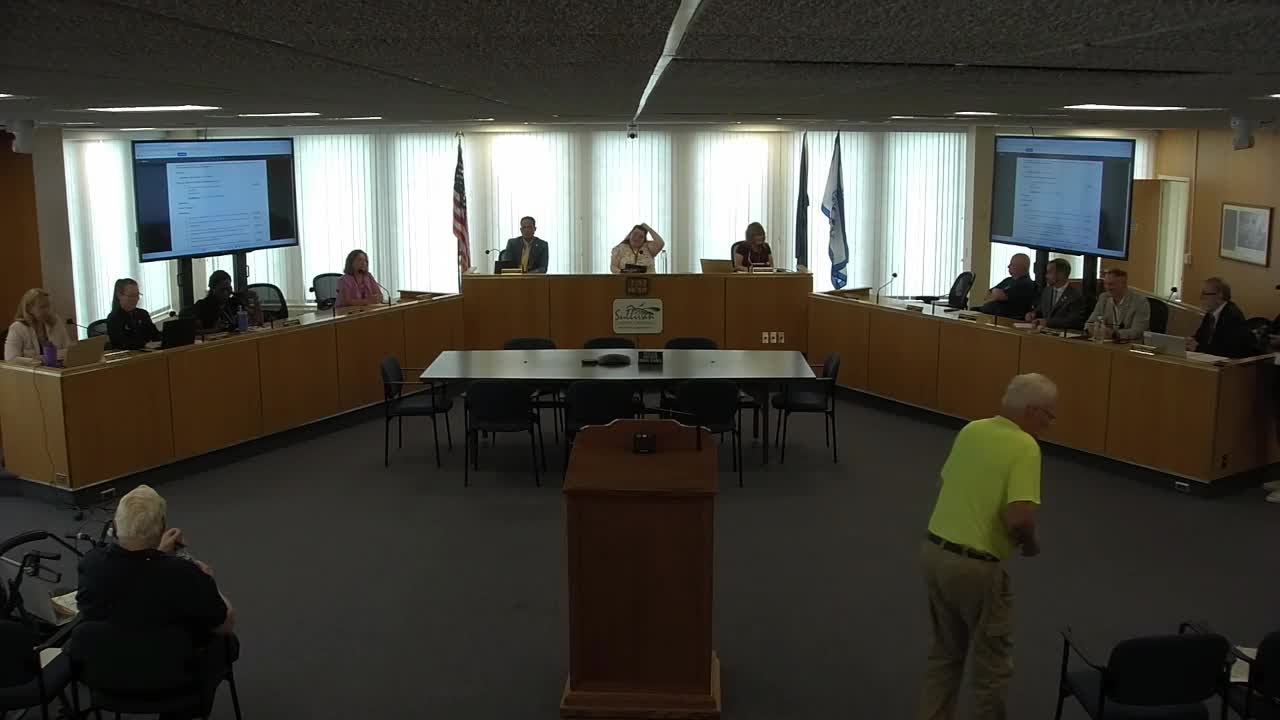
SULLIVAN COUNTY, N.Y. — The Sullivan County Health and Human Services Committee on July 17 read a proclamation declaring July as Disability Pride Month and heard a public presentation urging local officials to treat accessibility as an ongoing planning priority.
The proclamation — read at the meeting’s start — noted the Americans with Disabilities Act, signed July 26, 1990, and called on residents and county employees to advance inclusion. “We affirm our commitment to fostering a culture that embraces disability as a natural and beautiful part of human diversity,” the proclamation said.
The county then heard from Lee Korasic, identified at the meeting as a community advocate, who described everyday barriers for people with mobility and sensory impairments and urged the legislature to plan now for an aging population and for disability access as a standard part of public projects. “As I was coming in this morning, I stopped at the elevator, pressed the button, and I noticed the sign right next to the elevator. That sign said rescue chairs are available in the janitor's closet. Can somebody tell me where that is?” Korasic asked. He also noted that a county visitors’ guide included an ADA-compliant symbol in its legend but did not mark venues within the guide itself.
Why it matters: Committee members and public commenters said accessibility affects residents’ ability to shop, attend events and use county services. Multiple speakers described physical barriers at local festivals and venues — for example, crushed stone or gravel walkways that are difficult for wheelchair users or strollers — and urged more signage, equipment and temporary accommodations where full retrofits may not yet be feasible.
Committee Chair Kat Scott and several legislators acknowledged the concerns and said staff would follow up; other public commenters repeated calls for more aggressive attention to accessibility countywide. One public commenter suggested grant or room-tax funding to help private businesses install accessibility improvements.
The meeting record shows multiple references to accessibility across the agenda and during public comment. The committee did not adopt a new policy at the meeting; Korasic’s remarks were presented for consideration and public awareness.