Get Full Government Meeting Transcripts, Videos, & Alerts Forever!
Get email alerts on the Homelessness topic
No spam. Unsubscribe anytime.
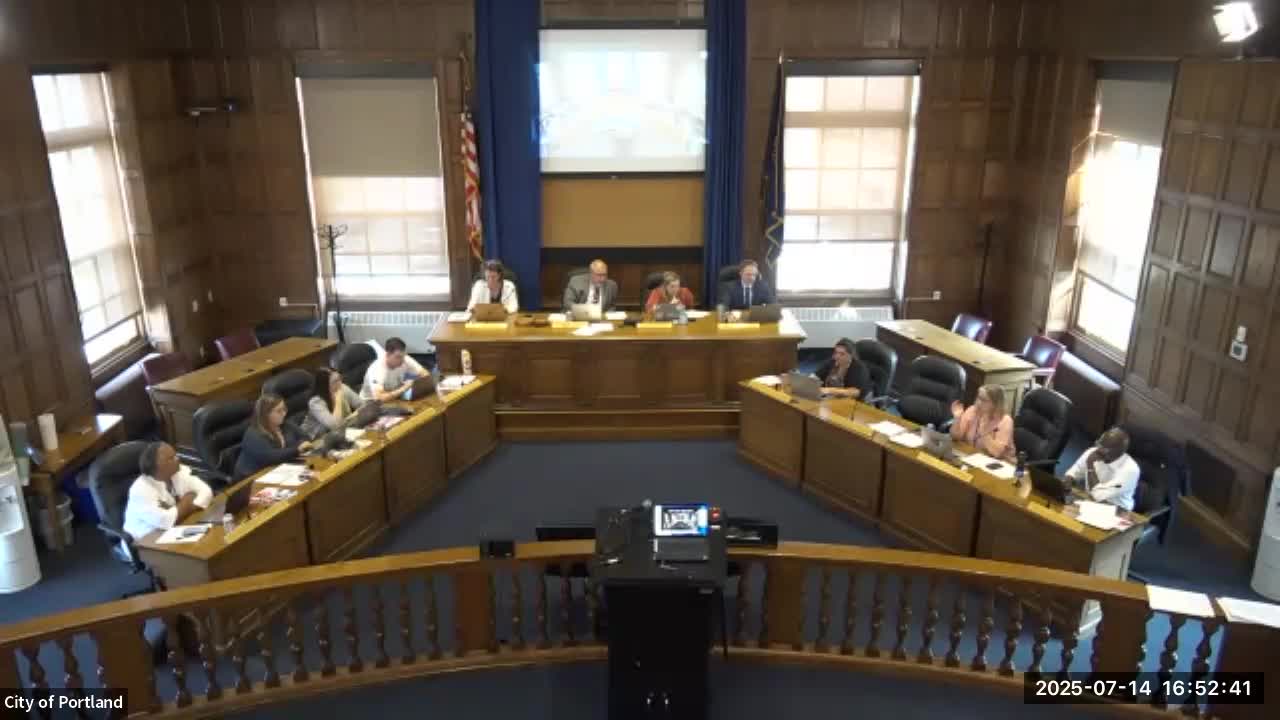
Portland officials say city has "run out of tools" to address downtown homelessness; call for county, state help
Summary
City leaders and councilors described sustained efforts — expanded shelters, outreach and policing — but said local resources have been exhausted and urged residents to press county and state authorities for support.
Portland city leaders told residents at a council meeting that the city has expanded shelter capacity and behavioral‑health outreach but lacks the legal and fiscal tools to solve persistent street homelessness and related public‑safety concerns downtown.
The mayor said the city has increased outreach and enforcement while adding shelter and behavioral‑health staff, but “we are at the end of our toolbox,” and “we don't have any more money,” calling on the county and state for help. The mayor also urged residents to “help us push up” by pressuring county and state officials for resources and policy changes.
Councilors and members of the public described frequent emails and public comment about conditions on Hunter (Hubbard) Street and the Arts District. Councilor Sykes said the council should coordinate a measurable, citywide response and recommended a “public‑facing dashboard” so residents and businesses can track steps the city is taking. Councilor McDevitt said he shared constituents’ safety concerns and urged coordinated action that includes sanitation, policing and behavioral‑health supports.
Speakers described programs the city has already implemented: an expanded emergency shelter, a mobile medical outreach team that the mayor and councilors said was presenting at a recent statewide opioid response summit, and plans for a non‑police “ambassador” program to supplement officers for street‑level engagement. The mayor and councilors emphasized the limits of municipal authority on matters such as jail‑based treatment, noting that the county’s jail capacity and programming affect the city's ability to place people in treatment.
During public comment, a resident urged the council to maintain administrative attention to routine city operations and criticized what the speaker described as complacency. Several commenters praised outreach staff and urged continued investment in recovery and housing navigation services.
City leaders did not announce new locally funded programs at the meeting. Instead, councilors repeatedly asked residents to press county and state officials — and, where applicable, federal partners — to restore or expand funding and programs the speakers said the city cannot provide alone.
The council did not take a formal vote tied to the downtown response during the portion of the meeting where these remarks were made; several councilors asked staff to continue work on coordinated measures and communications to the public about ongoing initiatives.