Get Full Government Meeting Transcripts, Videos, & Alerts Forever!
Get email alerts on the State Labor topic
No spam. Unsubscribe anytime.
Committee approves AB 138 to codify and ratify memoranda of understanding with several bargaining units; lawmakers press for actuarial follow‑up on deferred OPE
Summary
AB 138, a state bargaining trailer bill that codifies and ratifies memoranda of understanding and side letters with multiple state bargaining units, passed the Senate budget committee 13–5; members pressed for follow‑up on suspended OPEB contributions and longer‑term actuarial effects.
The Senate Committee on Budget and Fiscal Review voted to pass AB 138, a state bargaining trailer bill that makes statutory changes to codify and ratify memoranda of understanding (MOUs) and side letters reached between the state and multiple bargaining units.
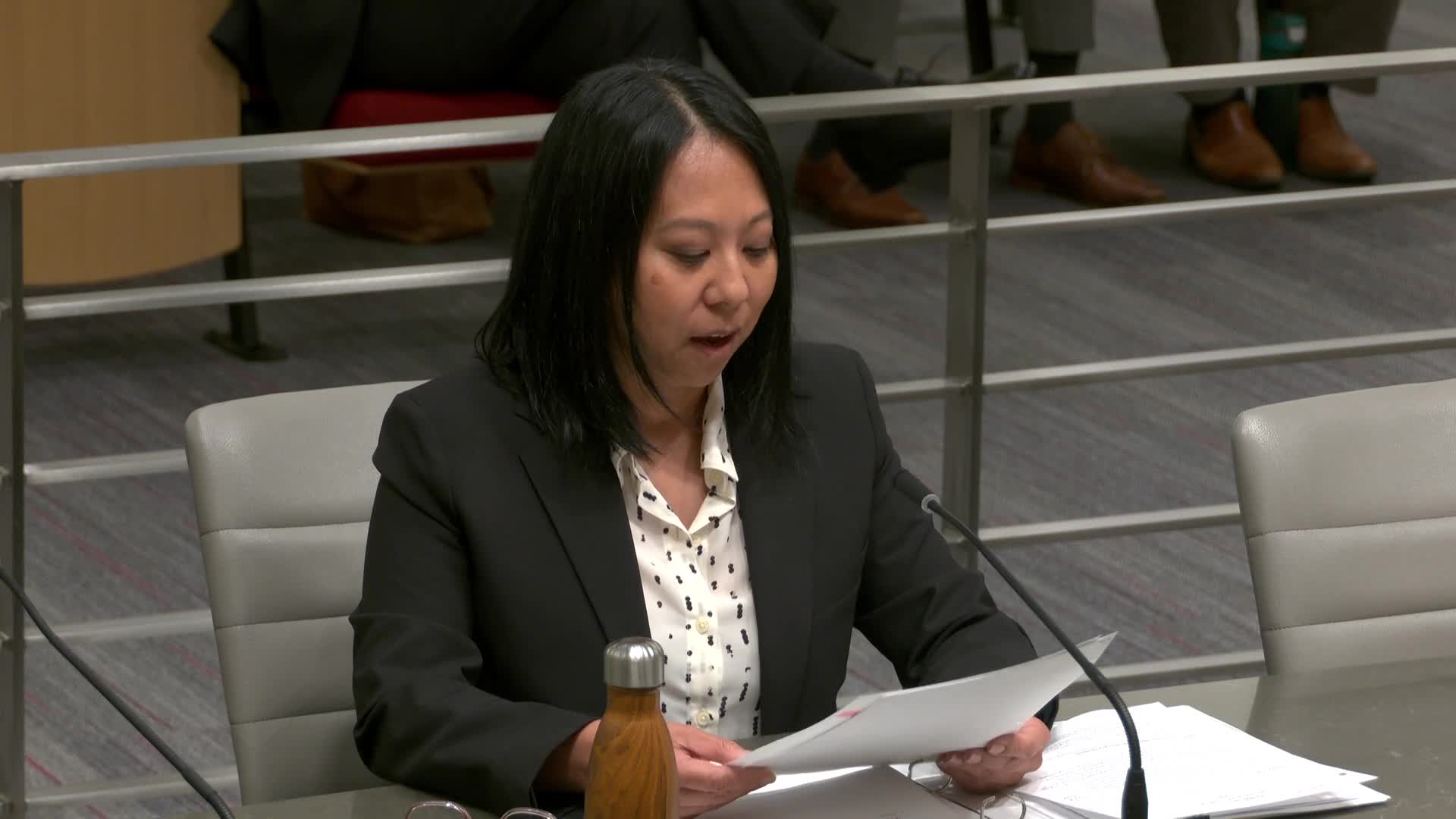
Rosanna Nguyen of the Department of Finance said the bill approves a side letter for the California Association of Professional Sciences (BU 10) and the tentative agreement with the union of American Physicians and Dentists (BU 16). The bill also codifies agreements and side letters reached between the state and 16 bargaining units between June 21 and June 30 that were automatically ratified pursuant to the provisions described in the bill.
Committee members probed budgetary and benefits implications tied to state employment. Senator Ciaruto and others raised questions about state contributions to OPEB (other post‑employment benefits) and whether suspending contributions would increase future liabilities. Hanjangming from the Department of Finance said the proposal would suspend the OPEB contribution for both the employer and employee portion for the stated period. Nick Schroeder of the Legislative Analyst’s Office explained that state contributions go into a trust separate from the public pension fund and that reduced contributions mean fewer assets available for compounding, which could raise long‑term state liabilities.
Senators asked whether local governments or other participating employers would be required to make up any shortfall once contributions resume; Department of Finance staff committed to follow up with additional details. Committee members also expressed concern that deferring payments could shift costs into future years that current forecasts show may have larger deficits.
The committee recorded a final vote of 13 to 5 in favor of AB 138 and sent the bill out of committee. The bill’s language codifies and ratifies collective bargaining agreements and side letters; the committee requested follow‑up on actuarial and intergovernmental implications associated with postponed OPEB contributions.
The committee did not adopt amendments during the hearing. Staff and LAO were asked to provide additional clarification on actuarial treatment and whether other employers would share liability for suspended contributions.