Get Full Government Meeting Transcripts, Videos, & Alerts Forever!
Get email alerts on the Board Of Equalization topic
No spam. Unsubscribe anytime.
Borough attorney briefs assembly on Board of Equalization duties, due process ahead of next week’s appeal
Summary
Borough attorney Scott gave the assembly a Board of Equalization refresher on due-process rules, conflicts of interest, admissible evidence and the need for clear findings in case of appeal. The assembly has one scheduled appeal next week that will require the body to sit in a quasi-judicial role.
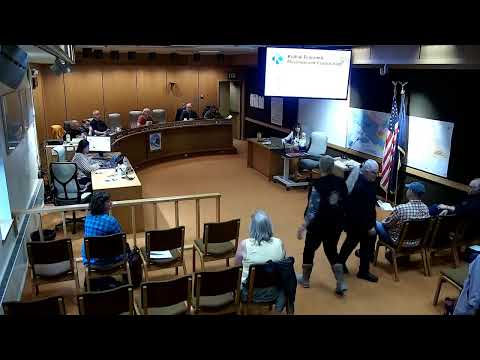
Scott, the borough attorney (participating by video), led a detailed training on the assembly’s responsibilities when it sits as the Board of Equalization to hear valuation and exemption appeals.
Scott told the assembly they must act “like a judge” when sitting in that capacity, stressing impartiality, disclosure of any financial interest or communications with parties and the need to base rulings only on evidence admitted into the record. He warned against relying on undisclosed outside facts and said members should disclose any potential bias and allow the parties to object before ruling on participation.
On procedure, Scott explained standard timing: the appellant (taxpayer) presents first and carries the burden of proof, the assessor then responds, and both sides may offer rebuttal. He said the board may extend the time allowed for presentations if fairness requires it, but any extension should be offered equitably. Board members may question witnesses through the chair and the chair may close the evidentiary phase before deliberations.
Scott recommended written findings of fact and conclusions of law to make the record clear in case of judicial review; he noted that appellate courts give deference to factual findings supported by the record but review legal conclusions more strictly. He also discussed how to handle newly offered evidence and the consequences of procedural or due-process errors.
Assembly members asked procedural questions about handling late disclosures of ex parte information, weighing conflicting evidence, and drafting findings after the meeting; Scott advised disclosure on the record and said findings may be prepared after the hearing but must be clear about the factual basis for the decision.
Scott said the assembly has one case scheduled next Thursday; he will be available by Zoom for procedural advice but will not advocate for either side. The assembly will act as the hearing body in that appeal and must follow the processes Scott outlined to reduce the risk of reversal on appeal.