Get Full Government Meeting Transcripts, Videos, & Alerts Forever!
Get email alerts on the Immigration Enforcement In Schools topic
No spam. Unsubscribe anytime.
Committee advances bill to limit immigration arrests on or near school grounds
Summary
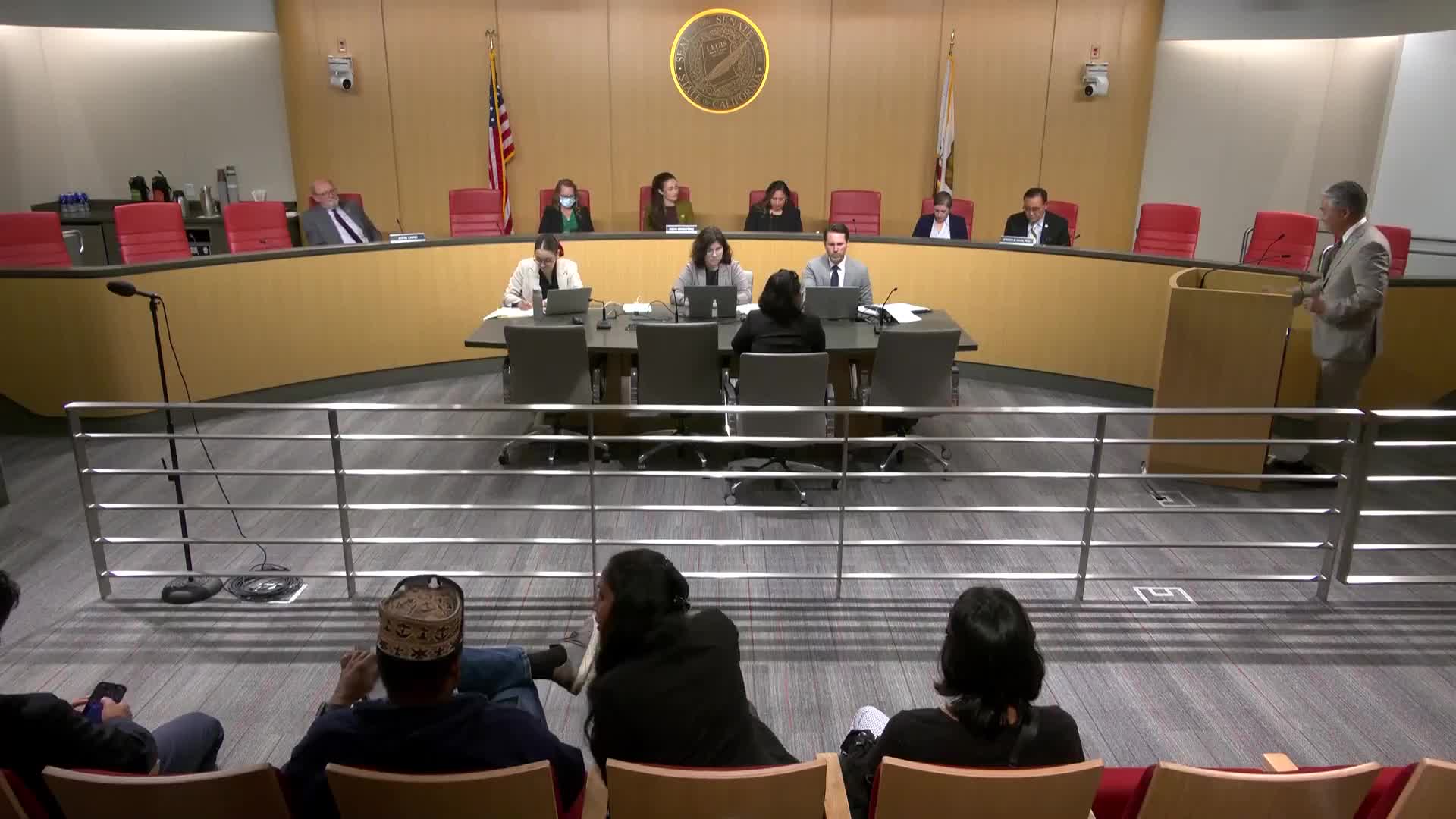
Assemblymember Marasuchi told the Senate Education Committee AB 49, known as the California Safe Haven Schools Act, would codify policies to restrict immigration arrests at or near public schools and require federal immigration agents to present a valid judicial warrant and identification, and to notify school officials before entering school grounds when students are present.
Assemblymember Marasuchi told the Senate Education Committee AB 49, known as the California Safe Haven Schools Act, would codify policies to restrict immigration arrests at or near public schools and require federal immigration agents to present a valid judicial warrant and identification, and to notify school officials before entering school grounds when students are present.
The bill’s proponents told the committee that the measure responds to a change in federal policy that rescinded prior guidance treating schools as sensitive locations exempt from enforcement activity. “Children cannot learn when they're under the constant threat of family separation and or deportation,” Connie Torres, a fourth‑grade teacher and California Teachers Association member, told the committee in support of AB 49.
Andres Guerra, managing attorney with the Coalition for Humane Immigrant Rights’ student legal services unit, said the bill would align school responses with Fourth Amendment due‑process protections and with Plyler v. Doe, the U.S. Supreme Court ruling that protects children’s right to public education regardless of immigration status. Guerra said the bill would require agents to present a signed judicial warrant to make immigration arrests on school grounds and would add an approval step for school principals or superintendents when enforcement would occur on campus.
Members of the committee pressed the author about how the bill would apply in exigent circumstances such as hot pursuit. Assemblymember Marasuchi told senators the bill, as drafted, incorporates the ordinary legal principle that exigent circumstances allow officers to act without a warrant and that she was working with Senate authors to clarify language to prevent possible abuses while preserving public‑safety authority in genuine emergencies.
The committee received wide institutional support from school districts, teachers’ organizations and immigrant‑advocacy groups, including the Los Angeles Unified School District, the California Teachers Association and the Coalition for Humane Immigrant Rights. Several members noted that attorney‑general model policies already advise schools about handling requests from immigration officials, and AB 49’s principal change would be to codify those protections statewide.
Outcome: The committee recorded a motion to move AB 49 to the Senate Judiciary Committee. The measure passed out of the Education Committee by a 6–1 vote and was placed on call for the next committee stage.