Committee advances AB 8 to treat intoxicating hemp like regulated cannabis
Loading...
Summary
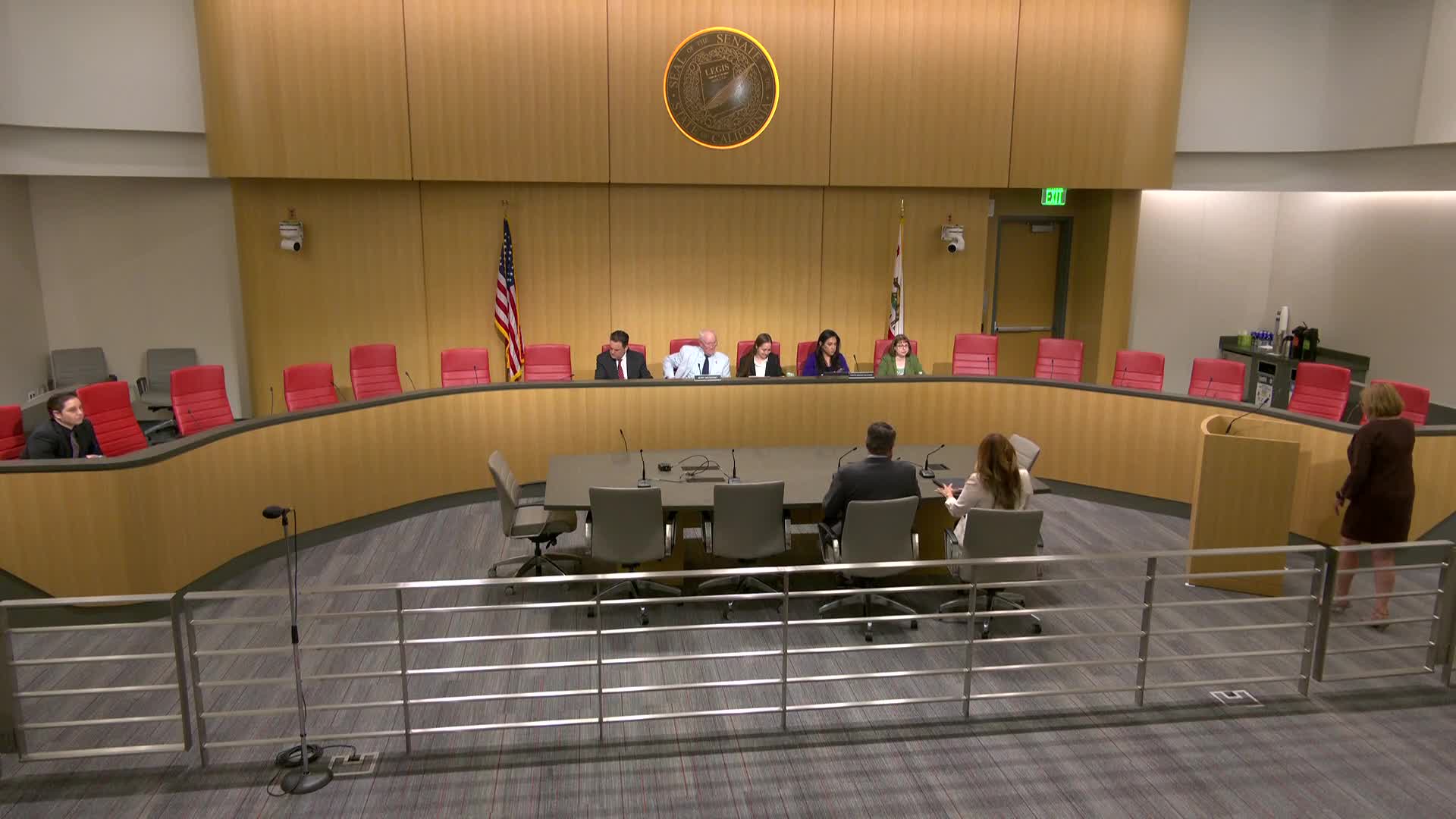
The Senate Committee on Revenue and Taxation voted to pass AB 8, a bill that would expand enforcement and regulate intoxicating hemp products like cannabis, including applying the cannabis excise tax and banning synthetic THC.
Assemblymember (Author) Aguiar‑Curry introduced AB 8 to the Senate Committee on Revenue and Taxation, saying the bill aims to bring intoxicating hemp products under the same regulatory, testing and taxation regime as licensed cannabis.
"This will bring new products under the cannabis excise tax to maintain tax revenue," Aguiar‑Curry said while describing the bill's principal goals: expanding enforcement against unlawful hemp products, clarifying that all synthetic THC is banned, and integrating intoxicating hemp into the legal cannabis supply chain so such products are sold only through licensed dispensaries.
The nut graf: supporters said the measure seeks to protect youth and preserve the regulated cannabis market by closing what they called a market loophole that allows out‑of‑state hemp products and unregulated sellers to undercut licensed businesses.
Testimony in favor came from labor and law‑enforcement groups and a wide range of cannabis industry organizations. Kristen Heidelbach of UFCW Western States Council said the bill "is a critical step towards ensuring that any intoxicating hemp derived product is sold exclusively through licensed dispensaries." Ryan Sherman of the California Narcotic Officers Association described the measure as addressing public‑safety risks he likened to earlier synthetic cannabinoid problems, and he read a long list of local police and sheriff organizations supporting the bill.
Opposition testimony focused on fiscal and programmatic impacts. Jim Keddy of Youth Forward and other witnesses told the committee that AB 8 is not revenue neutral and that shifting tax treatment could reduce funding for child and youth programs and for environmental cleanup and law enforcement grants funded by cannabis tax revenue. Keddy cited a Department of Tax and Fee Administration analysis he said showed annual losses larger than projected new hemp tax revenue.
Committee members pressed witnesses on two recurring themes: (1) how large and active the illicit hemp/cannabis market is and whether AB 8 would reduce illicit supply, and (2) the fiscal effect on programs currently funded by cannabis tax receipts. Senator Valadares (committee member) said she supported youth programs but was concerned about the illicit market; the author and supporters argued AB 8 would curb unregulated sales that now evade age limits and testing.
The committee accepted amendments and voted to pass the bill to the Committee on Appropriations. The clerk recorded the committee motion to "do pass to the Committee on Appropriations." The committee roll call recorded the measure as passing to appropriations (committee recorded outcome passed; final committee tally recorded as 5‑0 in the clerk's summary). The bill will proceed to the appropriations process where fiscal details and budgetary tradeoffs will be further reviewed.
Ending: AB 8 will now be analyzed by the appropriations committee for fiscal impacts and potential budget offsets. Supporters and opponents indicated they intend to continue negotiations on the revenue effects and on implementation details if the bill advances.