OMB and Housing staff present 'pathway to stabilization' and housing program performance measures
Summary
OMB described a new service‑level framework for a slowing growth environment and Loudoun’s Department of Housing and Community Development presented activity‑level measures for the Housing Choice Voucher program and loans; staff said additional analytics and some staffing will be needed to meet long‑term recommended service levels.
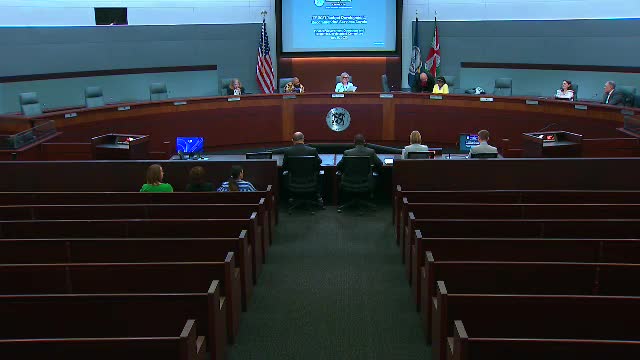
The Office of Management and Budget and the Department of Housing and Community Development briefed the Finance Committee July 8 on a new service‑level framework intended to help the county transition from rapid growth to a more stabilized environment.
OMB described the “pathway to stabilization” approach, which asks departments to distinguish current service levels (the level being delivered now with current resources), recommended service levels (the future, sustainable level the county seeks to achieve) and minimum service levels (mandated services). The pathway emphasizes measuring outcomes and quality and using performance metrics to prioritize resource requests over time rather than funding only incremental increases tied to workload volume.
Housing and Community Development (DHCD) used the Department’s Housing Choice Voucher program to illustrate the approach. DHCD said the voucher program has seven voucher types and runs monthly operations that include eligibility determination, unit inspection against HUD Housing Quality Standards, landlord outreach and rent subsidy adjustments. Staff explained four key measurement factors for programs: customer throughput, case workload, units produced and staff hours, and presented current performance measures (for example, the voucher program averages roughly 754 households served in a month at an approximate monthly cost of $1,200,000). DHCD said it currently sees its recommended service level matching its current service level while the department refines measures and workflows; staff suggested modest organizational changes and improved performance data capture to close gaps over time.
Both OMB and DHCD asked the committee to expect department‑level presentations during the fall budget cycle that more fully tie resource requests to recommended service levels and longer‑term stabilization objectives.