Committee backs AB 902 to require wildlife connectivity considerations for new and expanded highways
Summary
AB 902 would require lead agencies to consider wildlife crossings and connectivity for projects that create new highways or add lanes; supporters said the change would reduce wildlife‑vehicle collisions and protect biodiversity while opponents and members raised questions about funding and feasibility.
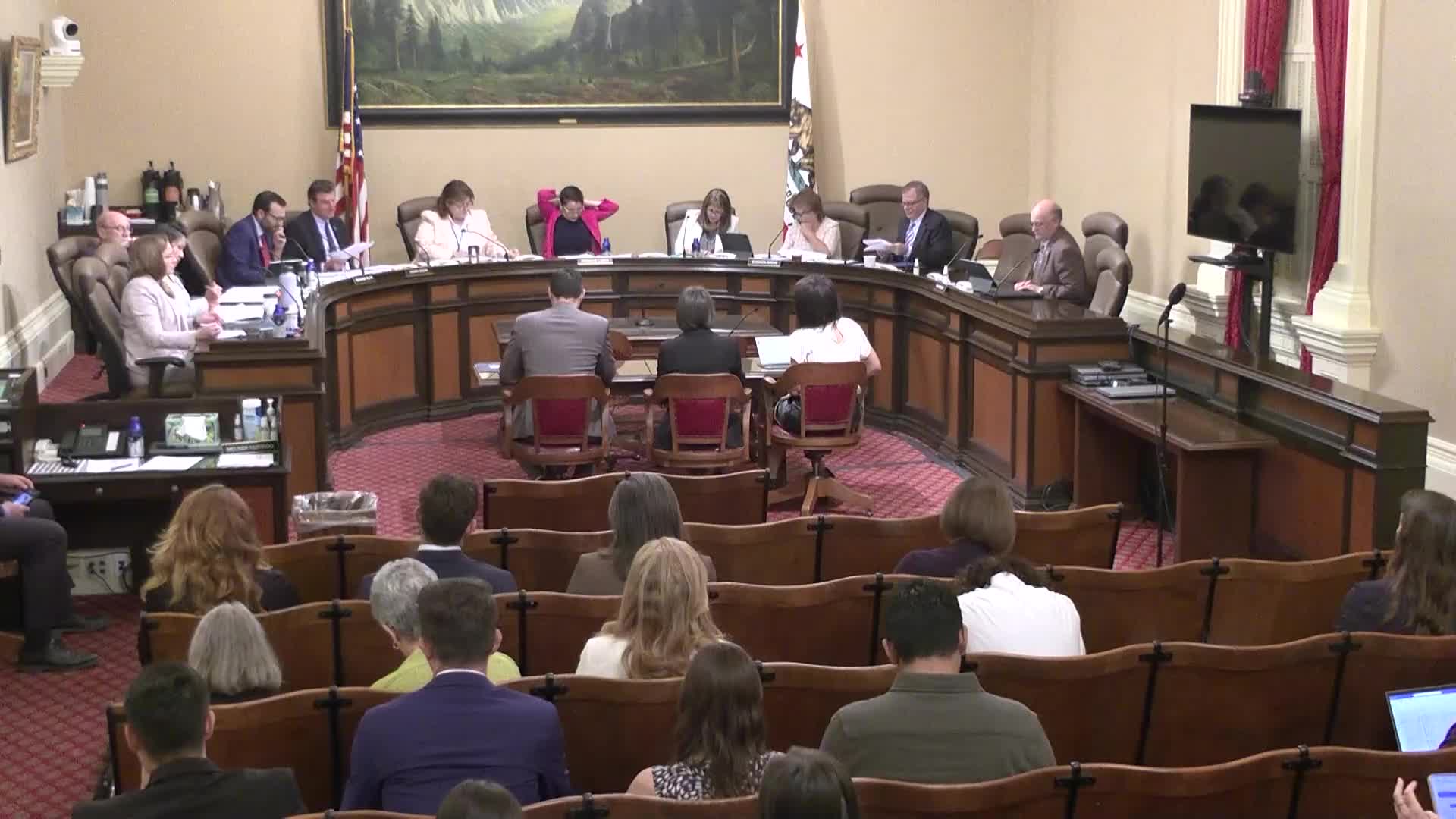
Assemblymember Schultz presented AB 902 to require lead agencies, beginning in 2028, to implement wildlife crossings and consider identified connectivity areas on projects that create a new highway or add a new lane to an existing highway. Schultz said roads are a major cause of wildlife mortality and habitat fragmentation and argued that planning for connectivity will protect people and animals.
Witnesses from conservation groups described the scale of collisions and wildlife impacts and urged the committee to advance the bill. Candace Mennigan of Coastal Ranches Conservancy and Mari Galloway of Wildlands Network said wildlife crossings can reduce wildlife‑vehicle collisions substantially — testimony cited reductions as high as 98% with properly designed crossings — and help preserve migratory routes for species such as steelhead and bighorn sheep.
Supporters pointed to prior state actions — the Safe Roads and Wildlife Protection Act and Room to Roam Act — and said AB 902 is the next step to extend connectivity planning beyond the state highway system to county and local roads that often bisect protected lands.
Some members asked about funding and the practicality of implementing crossings on local roads; Senator Seardow urged that a dedicated funding program be considered so construction and planning do not pull money away from other critical road projects. The committee voted to pass AB 902 as amended to the Senate Appropriations Committee. (Tally recorded in the hearing: yes 4, no 2 left on call during the hearing.)