Get Full Government Meeting Transcripts, Videos, & Alerts Forever!
Get email alerts on the Homeless Shelter topic
No spam. Unsubscribe anytime.
Wausau committees approve contract with Bridge Street Mission for year-round emergency shelter; finance vote 4-1
Summary
Wausau city committees voted to move forward with a contract that would fund a year‑round emergency shelter operated by Bridge Street Mission, a faith‑based nonprofit, with an estimated first‑year city cost of $350,000 and a proposed facility build‑out of about 8,200 square feet.
Wausau city committees voted to move forward with a contract that would fund a year‑round emergency shelter operated by Bridge Street Mission, a faith‑based nonprofit, with an estimated first‑year city cost of $350,000 and a proposed facility build‑out of about 8,200 square feet.
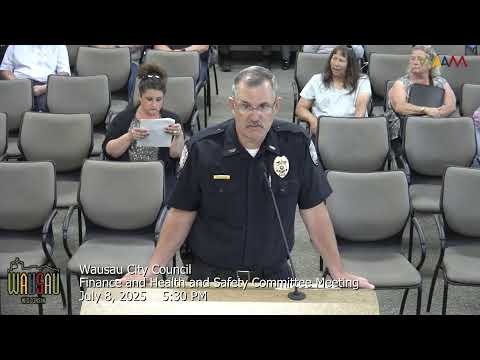
The contract language reviewed by committees requires nondiscriminatory admission to the emergency shelter and explicitly disallows mandatory drug or alcohol testing as a condition of entry. Police Chief (name not specified) said the proposed shelter would replace a smaller Catholic Charities site that served about 30 people in roughly 3,000 square feet and stressed the community need: “I don’t want to see that in Wausau,” he said, referring to people forced to sleep outdoors if the city did not secure a year‑round site.
The contract would support a standalone emergency shelter distinct from Bridge Street Mission’s voluntary recovery programs. According to officials, the organization’s plan includes separate spaces for people who are intoxicated or otherwise unable to sleep in a communal area, and a day‑shelter portion that could serve up to 120 people per day.
Why it matters: Council members and staff said the city lacks an alternative provider and noted the short timeline to secure funding and begin construction. Police Chief said the city’s current shelter operation costs the city about $30,000 per month (roughly $360,000 per year) and that Bridge Street Mission’s $350,000 first‑year ask is in line with the city’s existing expenses. Marathon County previously allocated up to $200,000 for 2025 to share shelter costs; county participation beyond 2025 was described by officials as likely but not guaranteed because it is subject to the county’s budget process.
Discussion and concerns: Several alderpersons expressed concerns about a multiyear contract with a faith‑based provider, trauma experienced by some people who might avoid religiously affiliated programs, and the late delivery of the draft contract to committee members. Alder Lukens said she had received many constituent contacts and asked for more time and metrics; Alder Gisselman said he was “embarrassed by the delivery of the contract so late” and moved in finance to lay the item on the table until the next finance meeting.
Committee votes and next steps: The finance committee defeated the motion to table, 2‑3, then voted to move the contract forward with a 4‑1 vote (one member recorded as opposed). The public health and safety committee voted to recommend the contract to the full council with one member opposed. Those committee actions move the contract to tonight’s full council meeting for final consideration.
Contract timing and conditions: The agreement as discussed does not set a concrete operational start date; officials said the start will depend on how quickly Bridge Street Mission can secure outside build‑out funding and begin construction. The draft contract includes a construction completion milestone (contract language referenced a target completion date in mid‑2026) and allows the city an option to exit the agreement if the site is not built within the agreed timeline. City staff also added contract terms requiring the provider to attend public health and safety meetings up to six times per year to report on operations.
Operational details and existing temporary shelter: City staff said the temporary shelter the city has been operating under emergency permits (at the Methodist Church) has limited facilities (reported as two bathrooms and one shower for up to 60 people under a temporary use permit) and is not sustainable long term. Staff and volunteers who worked a shelter shift described guests as generally cooperative and said the volunteer experience influenced several alderpersons’ support.
Funding and budget implications: If approved by the council, the contract would become part of the city’s 2026 budget discussion. City staff said the line item would likely be levy‑funded unless additional grants, remaining ARPA dollars, or Marathon County contributions are identified. Committee members noted that adding the expense will affect other budget priorities in the 2026 process.
What was not decided: Committees did not finalize an exact start date for Bridge Street Mission operations in Wausau, and Marathon County’s future contribution beyond 2025 remained uncertain. Several alderpersons requested annual public reviews and utilization metrics; the contract includes provisions for regular reporting to the public health and safety committee.
Quotes (attributed): Police Chief (name not specified) said, “We are not going to have shelter” if the contract is not approved and later stated, “I don’t want to see that in Wausau,” referring to people sleeping outside. Tracy Durante, the city outreach coordinator who has been running the temporary shelter, said, “Bridge Street Mission does do quality and great work,” and that a year‑round contract would allow her to return to her regular outreach duties. Alder Gisselman said he was “embarrassed by the delivery of the contract so late” and asked for more time to review the document.
Ending: The full Wausau Common Council is scheduled to consider the contract later tonight; committees said the council vote will determine whether Bridge Street Mission receives the city contract and whether construction and outside fundraising can proceed on the timetable discussed.