Get Full Government Meeting Transcripts, Videos, & Alerts Forever!
Get email alerts on the Legal Finance topic
No spam. Unsubscribe anytime.
Parlier council questions more than $1 million in legal bills, calls for audit and itemized breakdown
Summary
Council members spent an extended portion of the July 8 workshop pressing staff for detail on attorney invoices dating back several years, citing large payments to outside firms (Liebert Cassidy Whitmore, Chapman, others) and missing deliverables; staff agreed to review and itemize payments by case.
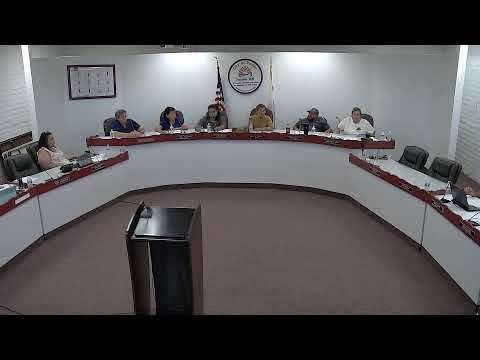
Parlier councilmembers at the July 8 budget workshop raised detailed questions about the city’s legal spending and asked staff to audit invoices and clarify what the city has paid to outside firms.
Council discussion cited multiple outside law firms and invoices across several years and asked staff to reconcile payments against case-level work. During the discussion council members and staff cited payments and invoices that included Liebert, Cassidy, Whitmore (LCW), Chapman, and other firms. In one exchange staff reported LCW billing of $275,002.89 (six months) and a separate Chapman bill totaling about $139,033.26 for the period the city reviewed; councilmembers also referenced a total of roughly $1,000,078 in historic legal spending (spread over a multi-year period) in materials they had reviewed.
Councilmembers said they had not received consistent case-level updates for some of the billed items and requested that staff separate attorney services that represent the city (city attorney work) from other legal or professional services (for example administrative investigations, background checks, or specialized outside counsel) that had been coded to attorney accounts in the financial report. Finance Director Myra Escobedo explained that some expenses are recorded in broader accounts and said staff would need to pull paper invoices to reconcile by case.
Councilmembers also flagged specific concerns: an invoice for a report they said the city paid $16,000 for but that the city had not received, billing for an appeal that council members said the court rejected for technical reasons, and entries labeled as “business and facilities” that some councilmembers believed should not have been billed to the city. Council members said they would deliver a list of warrant/check numbers so finance staff could reconcile the recorded payments.
City Manager Erin and Escobedo said staff would review attorney invoices, itemize legal charges by case and vendor, and return with a written reconciliation. Escobedo said some charges may be mis-coded across accounts (attorney services versus professional services) and that staff would separate those out in a follow-up report. The council did not take a formal vote on the matter at the workshop; staff committed to provide an itemized accounting and to verify that any outstanding invoices owed to prior counsel are accurate before further payment.
Speakers at the workshop repeatedly emphasized the financial stakes: councilmembers said the volume of legal spending affects the city’s budget posture and urged that staff check for duplicate charges, ensure work products were delivered, and confirm if any billed work was reimbursable or recoverable from other parties.