Get Full Government Meeting Transcripts, Videos, & Alerts Forever!
Get email alerts on the Housing topic
No spam. Unsubscribe anytime.
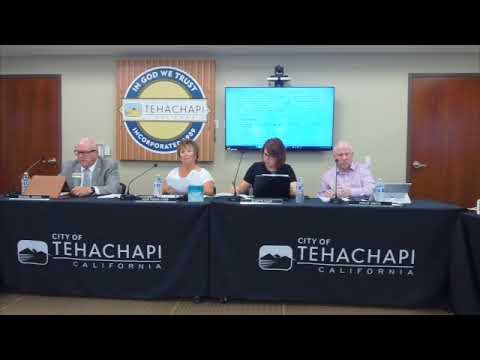
Tehachapi council adopts sixth‑cycle housing element after state finds it substantially compliant
Summary
The Tehachapi City Council voted unanimously to adopt the city’s sixth‑cycle housing element for the 2023–2031 planning period and found the document exempt from CEQA.
The Tehachapi City Council voted unanimously to adopt the city’s sixth‑cycle housing element for the 2023–2031 planning period and found the document exempt from the California Environmental Quality Act, Council records show.
The housing element is a state‑mandated component of a city’s general plan that documents local housing needs and shows how the city can accommodate its Regional Housing Needs Allocation (RHNA). Corey Pistello, assistant city manager, introduced consultants from Lisa Wise Consulting, who described the document and the changes made during state review. David (Lisa Wise Consulting) told the council the revised draft had received “a letter of substantial compliance” from the Department of Housing and Community Development (HCD), meaning HCD had determined the draft met state requirements subject to formal adoption.
Why it matters: adopting a substantially compliant housing element allows the city to meet its state planning obligations for the cycle and begins the timeline for implementing the element’s programs. The document identifies sites and programs the city says will accommodate Tehachapi’s RHNA of 902 units for the cycle and lays out measures for development streamlining, accessory dwelling units, downtown mixed‑use incentives and a new fair‑housing analysis required by state law.
Key details and debate
Lisa Wise consultants summarized three areas revised during negotiations with HCD: the housing constraints analysis, the new fair‑housing analysis and the implementation program details. Consultants said the city’s form‑based zoning required extra explanation to HCD, which often evaluates capacity by density; the consultants said Tehachapi’s form‑based code can enable a variety of housing types without rezoning.
The consultants and staff said the city’s inventory, including entitled and pipeline projects, demonstrates the capacity to meet the RHNA across income categories. They noted that some sites counted as lower‑income capacity are designated so based on allowable density, not on any recorded affordability restriction.
Water‑supply concerns and litigation
Several public commenters — including Tom Nisler, who identified himself as a water‑district general manager — urged the council to delay adoption and resolve outstanding water‑supply questions and other legal objections. Nisler said the district submitted a lengthy letter shortly before the meeting and argued the draft is not CEQA‑compliant and does not adequately address water supply.
City staff responded that HCD had already issued a letter finding the draft substantially compliant and that the city’s environmental planner concluded the housing element is exempt from CEQA under the common‑sense exemption (CEQA Guidelines §15061(b)(3)), because the element itself does not approve development. Staff also cited a technical memorandum in the record addressing potential impacts and water‑supply considerations and noted the city’s legal team had prepared additional findings and an amended resolution for adoption.
Outside letters were read into the record supporting adoption and offering legal assistance. Staff read a letter from Californians for Homeownership expressing support and offering pro‑housing legal help if needed; staff also noted receipt of 123 pages of correspondence from the water district’s counsel earlier in the day.
Formal action
The council voted 4–0 to adopt the sixth‑cycle housing element and to find the adoption exempt from CEQA; the resolution also authorized staff to submit the adopted document to HCD for final certification. The motion carried on a recorded voice vote and the staff report, technical appendices and the HCD compliance letter were made part of the record.
What the housing element requires next
Staff said adoption begins a timeline for implementing specific programs described in the element, including code updates to ensure compliance with state density bonus and accessory‑dwelling‑unit laws, streamlining for multifamily by‑right uses where permitted, incentives for upper‑story downtown housing and outreach for utility‑assistance programs. Several of those implementing actions will require later planning‑commission and council review.
Context and outstanding items
Core staff noted that the county’s RHNA inventory for the broader area includes substantially more sites (staff cited county inventory numbers) and that some outside parties had compared the city’s element with separate project litigation (Sage Ranch). Staff and consultants emphasized that project‑level environmental review and the housing‑element policy process are separate: the housing element documents capacity and policy, while individual development proposals undergo their own CEQA review.
The adopted element will be sent to HCD for final review and certification; staff said they would return to the council with implementing ordinances and program updates as required.
Ending
Council members thanked staff and the consultants for the months‑long effort. The council vote closes the adoption phase of the housing element; implementation steps identified in the element will return as discrete items for future planning and code changes.