Get Full Government Meeting Transcripts, Videos, & Alerts Forever!
Get email alerts on the Land Use Development topic
No spam. Unsubscribe anytime.
Residents oppose proposed 150‑unit townhouse development near Nolana, ask for traffic and environmental studies
Summary
At a public hearing during the City of Pharr commission meeting, residents who live adjacent to a proposed development of 150 townhouses urged commissioners to scale back the project, request traffic and school‑capacity studies, and preserve a green buffer; city officials asked presenters to identify the data supporting school‑capacity claims.
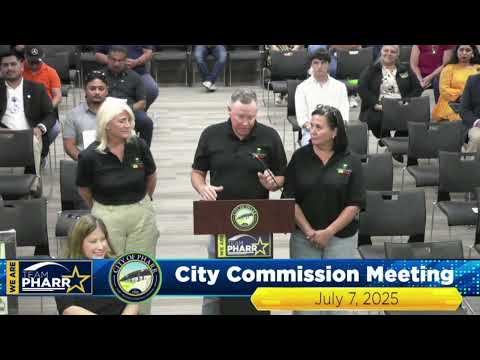
At a public hearing Thursday during the City of Pharr commission meeting, residents who said they live next to the site of a proposed 150‑unit townhouse development urged elected officials to halt or reduce the project and to require further traffic and environmental study.
Imelda Cantu, who identified herself as a resident directly impacted by the plan, told the commission she opposed the proposed 150 townhouses because of the development’s scale and design and asked the city to require “a full impact and traffic study” and to involve neighbors in discussion of alternatives or mitigation. She said the project would strain infrastructure on Nolana, worsen traffic and emergency‑response times, and further burden schools that she described as “already at capacity.” Cantu also raised concerns about loss of green space, increased flooding risk, noise, reduced air quality, and the height of two‑story townhouses being incompatible with surrounding single‑family homes. She said residents feared short‑term‑rental companies would buy units and that bordering homeowners would lose privacy and property value.
Mayor Ambrosio Hernandez asked Cantu what data supported her statement that schools are at capacity; Cantu said she was reading material prepared by another resident (identified in the meeting as "Nora") and that those speaking did not have personal knowledge of the underlying data. The transcript records the mayor’s request for source data but does not show the commission directing staff to produce specific studies during the public hearing.
Speakers asked for a green buffer zone between the development and existing houses; the meeting record shows the public‑comment period ended before the commission discussed or took action on the development application during this session.
Why it matters: neighbors’ requests for traffic, school‑capacity and environmental studies could affect whether the city requires conditions on a development permit, and the city’s response would determine whether the project proceeds as proposed or with mitigations.
The record does not show the commission taking a vote on the development at this meeting. The public comments and the mayor’s request for data were recorded during the formal public‑hearing segment of the agenda.
What was not in the record: residents cited school capacity and other quantitative impacts but did not provide supporting documents during their oral remarks; commissioners did not state findings or vote on the project in the transcript provided.
Next steps: The transcript shows public comment only; the commission did not announce a decision or an instruction to staff on the item during this meeting.