Get Full Government Meeting Transcripts, Videos, & Alerts Forever!
Get email alerts on the Parks Management topic
No spam. Unsubscribe anytime.
Valley County agrees to pursue management of Horse Thief Reservoir campground; staff to negotiate MOU with Fish and Game
Summary
Following a Recreation Advisory Board business plan and presentations from Idaho Fish and Game and Treasure Valley YMCA, Valley County Commissioners voted to pursue a management agreement to operate Horse Thief Reservoir campground and directed staff to draft an MOU, prepare a transition plan, and budget for a seasonal staff position.
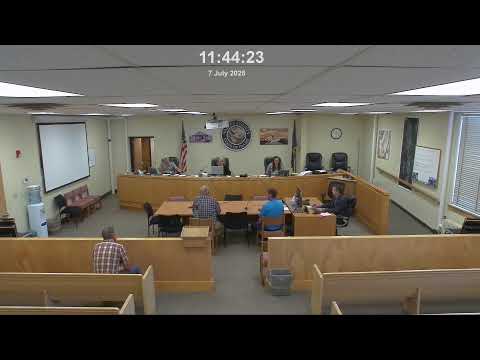
Valley County Commissioners on July 7 voted to pursue county management of the Horse Thief Reservoir campground after receiving a business plan and recommendations from the county Recreation Advisory Board, Idaho Fish and Game and representatives of the Treasure Valley YMCA.
Dave Bannon, Valley County Parks and Recreation director, and advisory board members presented a three‑year business plan and recommended that the county become the campground manager after the YMCA steps back from the role at the end of 2025. Idaho Fish and Game staff explained they own the reservoir and surrounding land, manage the fishery and boat ramps, and that statute prevents Fish and Game from charging campground fees directly; Fish and Game said it will continue to manage the fishery and related natural‑resource responsibilities and collaborate on campground operations.
Presentation highlights and financial context: - Horse Thief Reservoir property: about 420 acres owned by Fish and Game with roughly 110 campsites across six loops. - Capital investment: presenters said the YMCA and state investments have funded roughly $3,000,000 in improvements since 2018 and an additional ~$3,500,000 in planned work this year (state outdoor‑recreation funds) to build access and add utility hookups in two loops. - Recent operations: campground historically operated on a first‑come, first‑served basis, average occupancy reported around 39% over recent years; four‑year averages presented showed roughly $78,000 in annual revenue and $65,500 in annual expenses, producing an average seasonal surplus of about $12,400.
The advisory board recommended the county prepare a multiyear memorandum of understanding (MOU) with Fish and Game that would include operational roles (Fish and Game to retain forestry/fishery responsibilities), a 90‑day cancellation clause, and a transition plan. The business plan asked the county to budget for a seasonal staff position in FY26, funded initially by county funds for one year and then sustained by campground proceeds, plus stipends for campground hosts (treated as contractor payments per HR guidance).
Commissioners discussed governance and decision‑making language, reservation systems, occupancy targets (the plan projects raising occupancy to ~50% with a reservation system), winter use and potential road plowing, and the desirability of a longer MOU to enable planning and hiring. Commissioners moved and voted to proceed with the effort; staff were directed to notify Fish and Game of the county’s intent, draft an MOU using the existing YMCA agreement as a starting point, prepare a transition plan and budget and start hiring preparations for the seasonal position.