Get Full Government Meeting Transcripts, Videos, & Alerts Forever!
Get email alerts on the Native American Health topic
No spam. Unsubscribe anytime.
HHS-produced video highlights tribal clinic in Oklahoma City promoting food-as-treatment model
Summary
A U.S. Department of Health and Human Services video features Robert F. Kennedy Jr. at an Indian Health Service–funded, tribally operated clinic in Oklahoma City that provides food to patients as part of care; the video includes claims about Native American life expectancy and clinic reach.
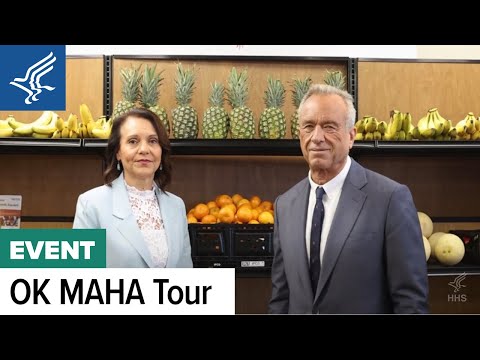
A video produced by the U.S. Department of Health and Human Services shows Robert F. Kennedy Jr. visiting an Indian Health Service–funded clinic in Oklahoma City and praising the facility’s program that provides food to patients as part of treatment.
In the video, Robert F. Kennedy Jr., identified on-screen by name, said the clinic — operated by tribal partners — allows “any patient [to] come in here and get food” and that patients “can come in multiple times a day.” He also said, “Native Americans live 5 years shorter than other Americans,” and praised the site’s effort to make nutrition part of preventive care. The video includes a brief response from a clinic staff member who said, “It works, sir.”
The video includes a statement that Kennedy identified himself as “your HHS secretary.” Event materials and public records do not support that title for Kennedy; the article does not treat that self-description as an official appointment.
Why this matters: tribal communities experience documented health disparities, and programs that integrate food and nutrition into clinical care are one approach health systems use to address chronic disease and food insecurity. The clinic in the video is described as Indian Health Service–funded and tribally operated and is said in the video to serve about 60,000 people in the Oklahoma City area, primarily from the Choctaw, Chickasaw and Cherokee communities.
Details from the video include the clinic offering food directly to patients as part of treatment and prevention efforts and the statement that patients may receive food multiple times per day. The clip runs under a U.S. Department of Health and Human Services production credit.
The video presents claims about life expectancy and service population that are attributed to on-screen speakers; the video does not cite supporting data or legal authorities within the footage. No formal actions, votes or policy decisions are recorded in the material presented.
The segment closes with the credit, “Produced by the U.S. Department of Health and Human Services.”