Get Full Government Meeting Transcripts, Videos, & Alerts Forever!
Get email alerts on the Foster Youth Tax Credit topic
No spam. Unsubscribe anytime.
Committee advances bill to increase outreach for Foster Youth Tax Credit to boost uptake
Summary
SB 624 would require county child welfare and probation agencies to mail information to nonminor foster youth and require state guidance to increase uptake of the California Foster Youth Tax Credit; the committee passed the bill, as amended, 7-0 to Appropriations.
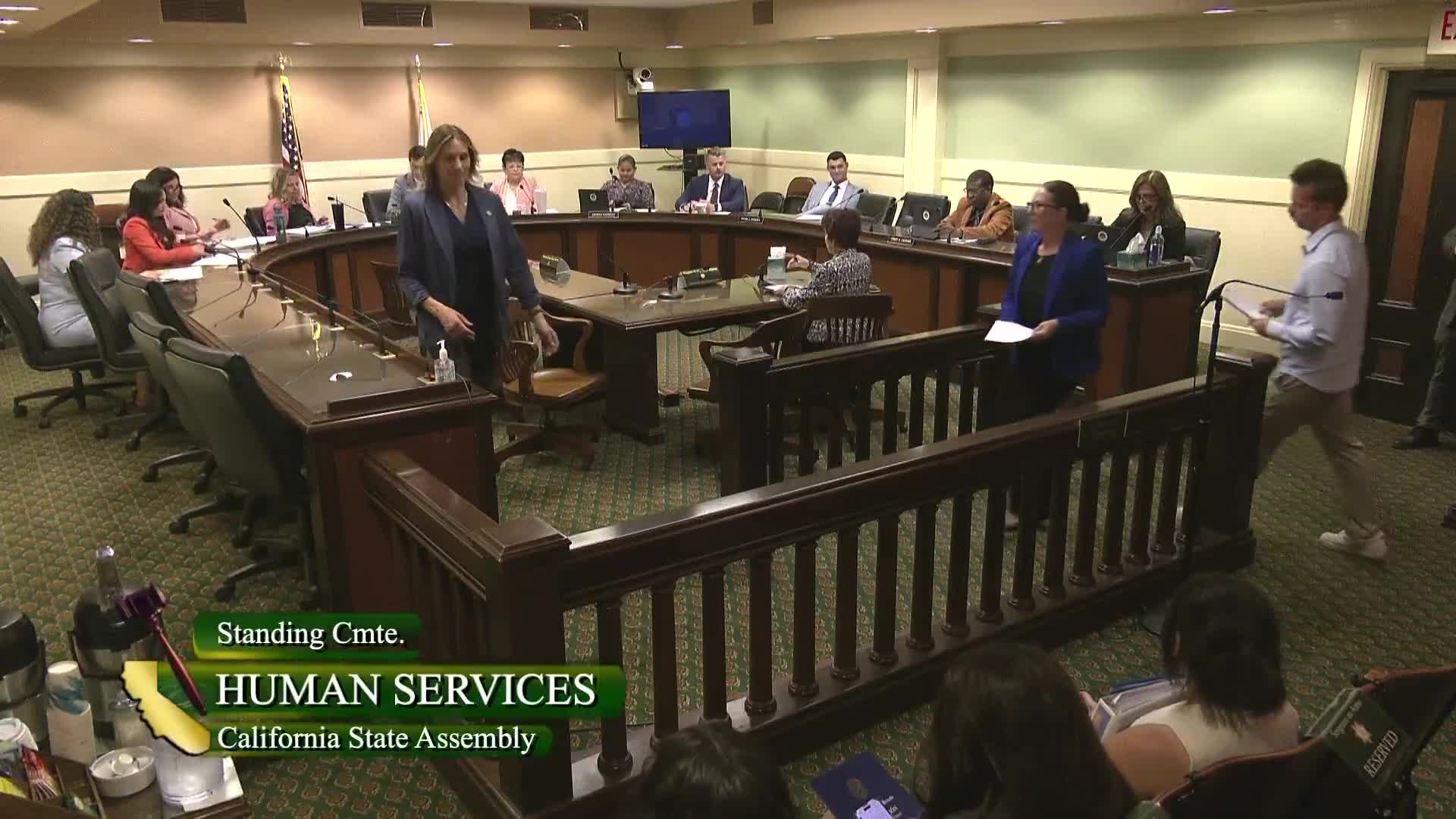
The Assembly Committee on Human Services on May 20 passed SB 624, the Foster Act, to the Assembly Appropriations Committee with unanimous support. The bill would require county child welfare agencies and juvenile probation departments to mail information and contact nonminor foster youth explaining how to file state and federal tax returns to access the California Foster Youth Tax Credit (FYTC), and would require the California Department of Social Services to issue guidance to counties on best outreach practices.
Sen. (author) Caballero presented SB 624 and described the statute's purpose as closing an outreach gap: “Only 16% of eligible youth receive this credit in 2024,” she said, and the bill aims to increase awareness so more former and current foster youth can claim the credit.
Advocates from John Burton Advocates for Youth testified in support. Symone Turick Lee said the FYTC is the first tax credit in the nation targeted to current and former foster youth and described program outcomes that advocates have documented: “A full 96% of young people who have received this credit are actually receiving a tax refund,” she said, and described average refund amounts and the fiscal impact for parenting youth. Former foster youth and advocate Bailey Craig described receiving refunds that helped pay car insurance, registration and other essentials.
Supporters provided uptake figures and pilot results: in 2024 nearly 5,700 youth received the credit totaling about $6.1 million, which advocates said represents about 16% of eligible recipients; a four-county pilot using mailed notices produced notable increases in uptake compared with similarly sized counties.
Multiple organizations registered support in the hearing room, including the California Youth Empowerment Commission, John Burton Advocates for Youth, Long Beach City College, California Alliance of Child and Family Services, CALCASA, End Child Poverty California, Prosper California, Western Center on Law and Poverty, and Children Now.
Committee members praised the bill's targeted outreach approach; the committee voted 7-0 to pass SB 624 as amended to the Assembly Appropriations Committee. The motion was recorded and the final vote was unanimous.