Get Full Government Meeting Transcripts, Videos, & Alerts Forever!
Get email alerts on the Healthcare Access topic
No spam. Unsubscribe anytime.
Intermountain Park City Hospital reports $50M-plus community gift, outlines expansion plans
Summary
Hospital officials told the Summit County Council their 2024 charity and community-benefit work included thousands of charity cases, millions in uncompensated care and planned capital projects including an ER expansion and new cancer center.
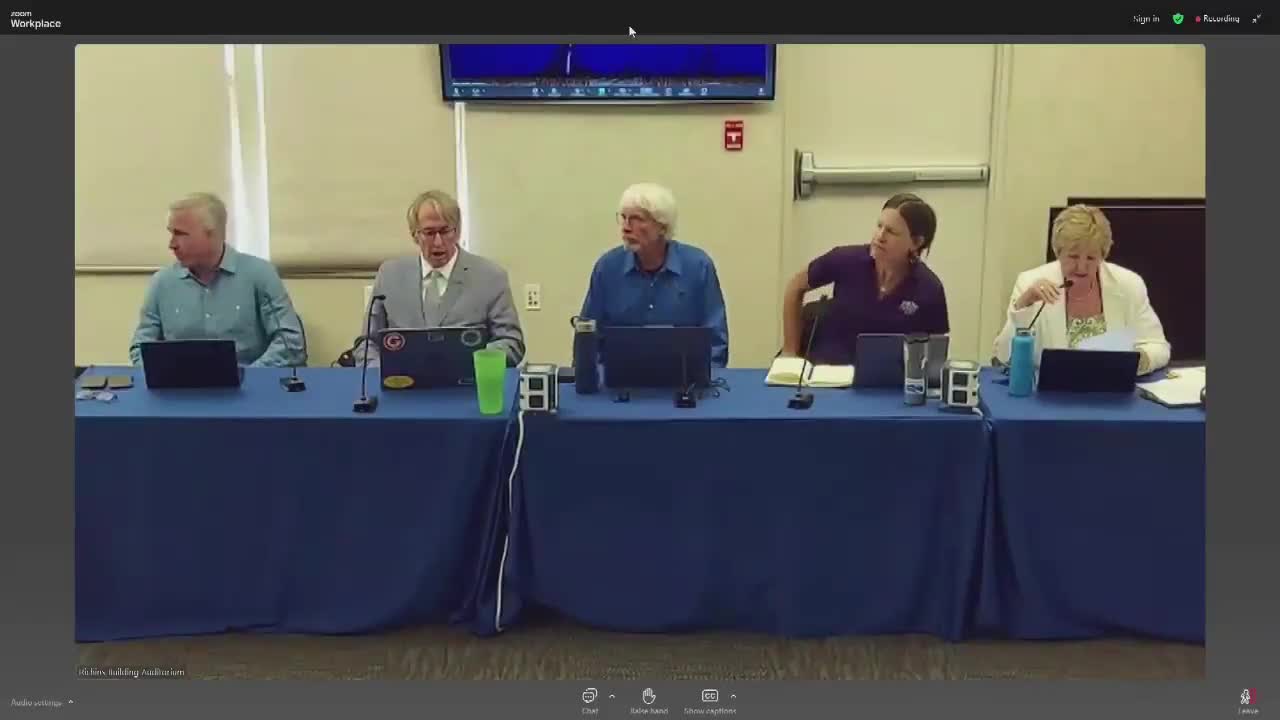
Laurie, a representative of Intermountain Park City Hospital, presented the hospital’s annual charity plan and community benefit report to the Summit County Council on June 25, 2025. Laurie said the hospital prioritizes treating patients “regardless of their ability to pay” and reinvesting as a nonprofit in community health programs.
The hospital reported several 2024 figures and service metrics. Laurie said Intermountain Health’s systemwide tax payments and community benefit spending were large: the presenter said, “We invested $746,000,000 in community benefit in 2024,” and noted the system paid $469,000,000 in taxes in 2024. Focusing on the Park City Hospital campus, the presentation showed roughly 3,600 charity cases in 2024 and about $4,000,000 in charity care for Summit County residents; staff also reported about $8,000,000 in bad debt, $7,000,000 in capital improvements and a total reported “gift to the community” of a little over $50,000,000 (an accounting figure that includes insurance adjustments).
Laurie reviewed service volumes and clinical capacity: Park City Hospital is licensed for 37 beds, is a trauma level 4 facility working toward level 3 designation, reported more than 300 deliveries (expected to reach roughly 400 for the year), about 4,300 surgeries (not counting a separate surgical center) and nearly 14,000 emergency department visits over the prior year. She also listed new and expanded services — robotics-assisted surgery for several specialties, new survivorship cancer services at the LiveWell Center, added cardiac rehabilitation and planned pulmonary rehab, telehealth for pediatric and behavioral health consults and existing STEMI and stroke receiving status.
Laurie outlined current and planned capital projects on the Wasatch Back campus: expansion of the emergency department to add four trauma bays, construction of additional operating-room capacity with two future OR shells (one planned toward a cath lab if cardiology volumes support it) and a new cancer center expected to break ground in July with an approximately 12–18 month build timeline. She said the ER/surgery expansion and new cancer center could be completed about this time next year, contingent on construction schedules.
Council members and staff praised the hospital as a community asset and asked several operational questions. Council Member Candace thanked the presenters and asked how the county could help the hospital sustain or expand services; Laurie said public advocacy about preserving nonprofit status and attention to Medicaid funding developments would be especially helpful. Council members also pressed Laurie about Medicaid funding cuts under consideration at the state level and potential impacts; Laurie said the hospital and system are “watching that closely” and that reductions to Medicaid or a loss of nonprofit status would significantly increase uncompensated care burdens, particularly for smaller rural hospitals.
County members and public-health partners discussed behavioral-health investments. Laurie described ongoing community-benefit collaboration with local nonprofits such as Live Like Sam and said the hospital’s community-benefit team is working to support early-intervention and youth-focused mental-health programs. She also described an internal board (Wasatch Back Board) that helps advise services for Park City and Heber Valley hospitals.
Council members also thanked the presenters for volunteer programs, training partnerships with local fire districts and community-oriented services. The presentation concluded with a patient story Laurie used to illustrate local trauma and emergency care outcomes after a severe skiing injury.
Why it matters: the hospital’s reported charity care, community-benefit investments and planned capital projects affect local access to emergency, oncologic and surgical care for Summit County residents and influence county budgeting and public-health planning.
Questions and follow-up: Council members asked for copies of the hospital’s full charity plan and the detailed charity-reporting packet Laurie referenced; Laurie said a 39-page charity plan is filed through the hospital’s legal department and will be provided for staff review. Council members also requested to remain briefed on potential Medicaid funding changes and their local impacts.