Get AI Briefings, Transcripts & Alerts on Local & National Government Meetings — Forever.
Speaker calls for boosting public and private financing to meet sustainable development goals
Summary
An unnamed speaker in the transcript argued that increased public and private financing, fairer tax collection and lower borrowing costs are needed to end poverty and fund health, education and infrastructure to meet the sustainable development goals.
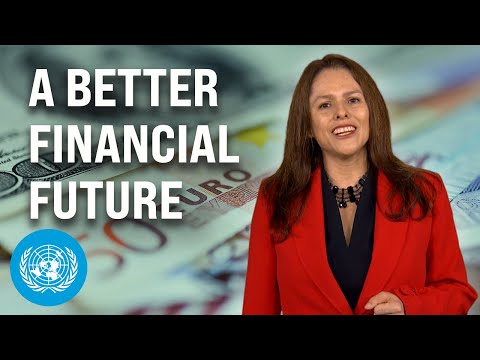
Commenter (speaker) said boosting public and private financing is essential to end poverty and to pay for health care, education and infrastructure, in remarks recorded in the meeting transcript.
The speaker argued that financing is “the fuel for a better life for all,” saying investments produce large returns: nearly $3 for every dollar spent on girls’ education, about four times returns on water and sanitation when health savings are counted, and a $15 return in post-disaster recovery savings for each dollar invested in disaster risk reduction. The speaker said about 3 billion people live in countries where governments pay more in debt interest than they do for health and education combined.
The speaker outlined steps to raise and better target financing: helping countries collect taxes more fairly, reducing harmful financial flows, strengthening development banks so they can provide targeted finance, and creating incentives to attract private investment while sharing risks and benefits. The transcript also said: “Lowering the cost of borrowing will reduce debt service and free up investments in the sustainable development goals,” and called for a debt architecture that allows timely, orderly and fair restructurings when countries need them.
The remarks framed the objective as concrete outcomes: “Healthier people, stronger communities, and economies that work for everyone,” and emphasized directing freed resources to hospitals, medicine, clean water, schools, teachers and other services needed for dignified lives.
The transcript records these proposals as advocacy and explanation by the speaker; it does not show formal decisions, votes or actions by a governing body.