Get Full Government Meeting Transcripts, Videos, & Alerts Forever!
Get email alerts on the Labor And Calendar topic
No spam. Unsubscribe anytime.
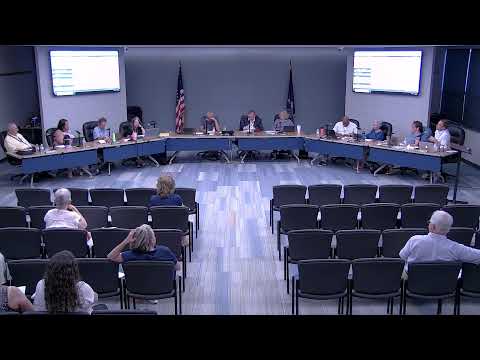
School board approves teachers’ contract while voting to pilot new two-year academic calendar after sharp debate
Summary
The board approved the Chambersburg Area Education Association contract and a two-year pilot calendar (2026–27 and 2027–28) after months of negotiation. Both votes passed 7–2; two board members opposed citing insufficient public discussion and concerns about lost student days for younger grades.
The Chambersburg Area School District board approved a new collective-bargaining agreement with the Chambersburg Area Education Association and adopted a two-year pilot academic calendar after extended discussion and member questions. The contract passed 7–2; the calendar vote also passed 7–2.
Why it matters: The contract and calendar are tied operationally — some board members opposed the contract because they said the public had not had adequate opportunity to consider the calendar changes. Opponents warned that the proposed calendar reduces traditional student days and may hurt early-grade reading gains; proponents said the calendar adds instructional hours in a configuration intended to fund professional development and improve teacher effectiveness.
The contract (agenda item 7.15) was presented to the board after a four- to five-month bargaining process; the teachers’ association had already ratified the agreement. Superintendent Chris Bigger thanked district and association negotiators and described the process as collaborative. Motion to approve the agreement was made by Mr. McKee and seconded by Miss Harbaugh. The roll-call vote was 7 in favor, 2 opposed; Mr. Norcross and Dr. Diller voted no. The administration noted the contract terms will be made publicly available.
Board debate focused heavily on the academic calendar the contract referenced. Several members said they oppose approving a contract tied to an unvetted calendar. Dr. Diller said she could not support the calendar — and therefore could not support the contract — because she believed it reduces student-classroom days for young learners. “If we don’t get our kids reading by third grade we’re in trouble,” she said, explaining her “no” vote.
Superintendent Bigger and other supporters described the calendar’s net classroom time differently. District staff presented a side-by-side comparison showing the proposed schedule would increase total instructional hours in front of a teacher by roughly 36 hours compared with the traditional calendar the board used this year, because it removes several early-dismissal in-service days and adds 15 minutes to regular days. Administration materials recommended a two-year implementation window to allow the district to evaluate effects before deciding whether to continue or revert.
Several board members urged follow-up: they asked staff to consider whether some Fridays could be used for intervention and to explore community supports for childcare or after-school coverage. One board member said the district could revisit calendar elements mid-year if needed; the administration confirmed the board retains authority to change the calendar in response to snow days or other exigencies.
The calendar motion (agenda item 08/2001) was moved by Mrs. Gogler and seconded by Mr. Hajduk; roll-call results were 7–2 (No votes from Mr. Norcross and Dr. Diller). The board also approved language in the teacher contract that formalized the added daily minutes described in the calendar.
Next steps include posting the final contract and calendar details publicly and tracking classroom hours, student outcomes and any operational impacts (childcare demand, early-grade reading metrics) during the two-year pilot.