Get Full Government Meeting Transcripts, Videos, & Alerts Forever!
Get email alerts on the Consumer Protection topic
No spam. Unsubscribe anytime.
Utah consumer watchdog warns of surge in text-message toll scams
Summary
Katie Haas, director of the Utah Division of Consumer Protection, urged residents not to respond to texts demanding immediate payment for alleged unpaid tolls and described common red flags and reporting steps.
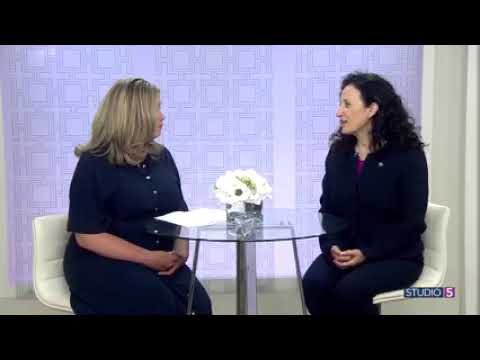
Katie Haas, director of the Utah Division of Consumer Protection, warned that Utah residents are receiving an increasing number of fraudulent text messages that claim recipients owe unpaid tolls and threaten license suspension if they do not pay.
Haas said the scam texts often create a false sense of urgency and include links that appear to lead to official websites. "They're really common. I think all of us are getting at least one a day, if not more," Haas said. She described messages that repeat and pressure recipients to act quickly: "You need to pay this. You're getting repeated messages."
The Division advised several concrete steps to avoid falling for these scams. Haas recommended that recipients not respond to suspicious texts or click links and instead verify the claim using independent channels: log in to official accounts on a computer, call the agency directly, or search online to see whether the text has been reported as fraudulent. "My advice to everyone is never answer the text," she said. "Maybe go to your computer, log in, go look up the information, or even Google if this is a scam."
Haas listed common red flags: a message that makes the recipient feel anxious or rushed; demands for payment by unconventional methods; and offers that route payment via cryptocurrency, PayPal or Venmo. "The government is never gonna ask for cryptocurrency. We're never gonna ask for you to pay something via PayPal or even Venmo," Haas said. She also warned that scammers can build convincing, spoofed websites to mimic government pages.
The Utah Division of Consumer Protection asks people who receive these messages to report them so the agency can issue wider alerts. "You can report to us at DCP.Utah.gov," Haas said, and she also pointed listeners to scams.utah.gov for information. The division said it coordinates with other state agencies, including the Utah Department of Transportation and the Division of Motor Vehicles, to share warnings about toll-related scams.
The Division urged residents to take a few minutes to verify unexpected demands rather than responding immediately. "Five minutes, 10 minutes is not gonna change the outcome of this scenario," Haas said, adding that calm verification often reveals the message is fraudulent.
For suspected scam reports and guidance, the Division of Consumer Protection directs residents to DCP.Utah.gov and to scams.utah.gov.