Get Full Government Meeting Transcripts, Videos, & Alerts Forever!
Get email alerts on the Ems Operations topic
No spam. Unsubscribe anytime.
EMS director says aging equipment and billing rules shape county EMS budget
Summary
Dickinson County EMS staff reported steady equipment needs, replacement timing for appliances and doors in EMS buildings, billing practices that limit payment for non‑transport care, and long‑term hopes for 'treat‑in‑place' reimbursement.
Dickinson County EMS leadership reviewed budget line items and operational pressures, noting appliance and facility maintenance needs, personnel turnover, billing constraints for non‑transport care and ongoing training and equipment plans.
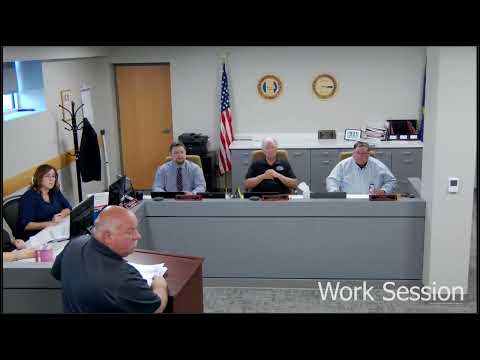
John Holmgren (EMS director) told the commission the EMS building moved into in 2009 is reaching an age where major mechanical replacements — motors, doors and some appliances — will be required. He said the department left equipment maintenance funding largely unchanged but cautioned that replacements could push costs higher in the coming years. Holmgren noted that the department uses cloth linens that are reused up to six times before replacement is necessary, which remains cheaper than disposable alternatives.
The EMS director also described billing mechanics: Medicare and Medicaid generally reimburse the county only when an ambulance transports a patient; they rarely pay for on‑site treatment without transport. Holmgren said the county and other EMS providers are advocating for broader “treat‑in‑place” reimbursement so crews could stabilize some patients without an ER transport, which would lower systemwide costs.
Staffing issues were discussed: the EMS billing specialist is retiring in the coming year, and the county is depending on experienced staff to maintain collections and reimbursements. The department reported participation in community safety efforts — including a county‑wide automatic external defibrillator (AED) mapping effort with the Rotary Club and placement of AEDs in public sites — and noted ongoing MIH/community paramedicine grant work and scholarship arrangements for employees who attend paramedic school.
Ending
Commissioners acknowledged the long‑term facility maintenance needs and encouraged close tracking of capital timing; no formal EMS budget vote appears in the transcript segment.