Get Full Government Meeting Transcripts, Videos, & Alerts Forever!
Get email alerts on the Hangars And Leasing topic
No spam. Unsubscribe anytime.
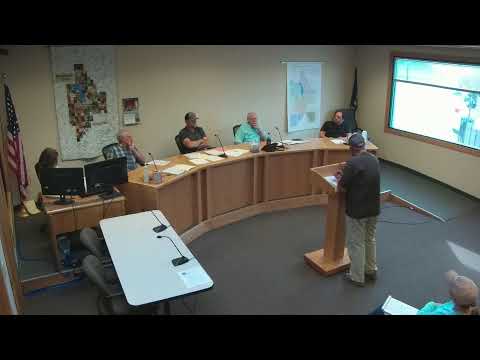
Airport board OKs east‑to‑west hangar build, keeps 42x40 minimum and reserves FBO space
Summary
Broadwater County airport board voted to build new hangars from east to west, reserved a 100x120-foot FBO site, kept a 42x40-foot minimum hangar requirement, and agreed to open an existing FBO slot on a first‑come basis while holding lot 13 for a future hangar.
The Broadwater County Airport Board voted to construct the new row of hangars east to west, reserved the proposed fixed‑base operator (FBO) site at 100 feet by 120 feet and affirmed a minimum hangar size of 42 feet wide by 40 feet deep for new construction.
The decision affects how the airport will allocate new lots, plow taxiways in winter and manage future lease assignments. Board members said east‑to‑west construction better addresses spacing and reduces potential plowing burdens, while reserving the larger FBO footprint aims to attract an operator.
Board debate focused on three linked issues: construction direction (east to west vs. west to east), target sizes for new hangars and the dedicated FBO space, and what to do with an existing FBO/old hangar slot. A motion to build east to west passed after discussion about winter plowing and likely future demand. A separate item confirmed the board would reserve one FBO slot at roughly 100 by 120 feet. The board also voted to maintain the airport bylaw minimum of 42 feet by 40 feet for hangar construction and declared that final sizing beyond the minimum would be handled on a case‑by‑case basis.
Board members weighed practical tradeoffs. One board member argued for west‑to‑east construction to limit plowing to the last built hangar; another said plowing differences would likely be negligible during the construction phase because many lessees typically have six months to break ground and multiple projects could overlap. The board ultimately adopted east‑to‑west construction, noting the decision would reduce the chance of isolated, hard‑to‑service hangars.
On the older FBO slot adjacent to existing hangars, the board discussed building either one large 80 x 50 foot hangar or two smaller north/south‑facing hangars around 50 x 35 feet. After public comment and internal discussion, the board withdrew a motion that would have mandated two smaller hangars and instead voted to open that existing slot for hangar use on a first‑come, first‑served basis so the market can indicate demand. The board also moved to retain lot 13 as a hangar lot rather than lease it as bare ground for non‑hangar uses.
The board reiterated existing lease timing: an assigned lot carries a standard lease expectation that the lessee must begin construction within roughly 180 days and generally complete construction within another 180‑day period, with extensions considered for extenuating circumstances. Members said that policy is intended to prevent long‑term speculative holding of multiple lease parcels and to keep lots available for aeronautical use.
The board recorded its votes by voice; motions carried after aye/oppose calls. No numerical roll‑call tallies were provided in the public transcript.
The board said it will continue to refine lot‑by‑lot sizing (notably keeping more uniform, narrower stalls on the north side adjacent to the reserved FBO space and allowing larger, deeper hangars on the south side where space affords greater depth). The airport manager and staff will notify interested applicants when lots are officially available and will begin assigning leases according to the adopted guidelines.
The decisions will shape the airport’s leasing, snow‑removal planning and the kinds of operators the airport can attract over the coming years.