Get Full Government Meeting Transcripts, Videos, & Alerts Forever!
Get email alerts on the Housing Affordability topic
No spam. Unsubscribe anytime.
City unveils Monarch NRSA plan to address housing repairs, rental affordability
Summary
The community development department presented the Monarch Neighborhood Revitalization Strategy Area, proposing exterior rehab, utility upgrades, down‑payment assistance, demolition and rental rehab programs funded through CDBG, HOME and local matching dollars.
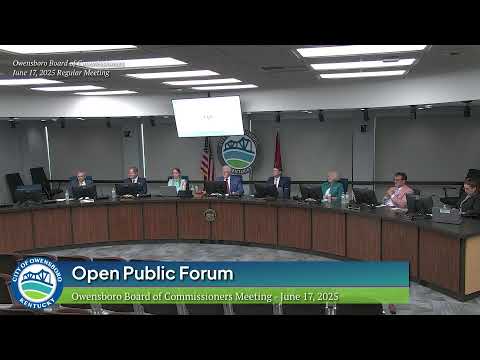
Sabby Shelton, community development director, presented the proposed Monarch Neighborhood Revitalization Strategy Area (NRSA) to the Owensboro City Commission on June 17, laying out needs assessments, planned programs and a funding plan that pairs federal CDBG and HOME funds with private and local matches.
Shelton said the Monarch NRSA boundary would extend to Clay Street on the west, Ninth Street on the south, the city limits on the north and Dixie on the east. The presentation followed a five‑year Riverview NRSA that, Shelton said, delivered about 317 projects and roughly $12.6 million in combined public and private investment.
The Monarch market analysis identified concentrated low‑ and moderate‑income households and substantial rehabilitation needs: Shelton said 60.3 percent of residents in the proposed area qualify as low to moderate income and the median household income in the area is $36,525. She said property reviews show more than 72 percent of parcels require some level of rehabilitation to address structural or safety concerns.
Shelton described the principal housing needs the plan would target: a citywide shortage she quantified as roughly 224 rental units needed and high cost burdens among renters — the presentation said about 62 percent of renters exceed the 30 percent‑of‑income threshold for housing cost burden and 47 percent were spending more than 50 percent of income on housing.
To respond, the city proposed programs eligible for CDBG and HOME funding including exterior and single‑family rehabilitation, single‑family and single‑family rental new builds, commercial facade grants, a down‑payment assistance program, a demolition program (50/50 cost share up to $10,000) and a public‑facilities project to connect approximately 15 homes from septic to the combined sewer system. Shelton said the city will partner with Habitat for Humanity for new single‑family builds rather than acting as developer.
Shelton outlined a draft federal/local funding picture presented to the commission: approximately $3.1 million in federal funds, about $3.8 million in private match, and a $500,000 local community catalyst grant that the commission has budgeted to leverage. Per‑unit and per‑square‑foot caps discussed in the presentation included single‑family new build up to $35 per square foot, single‑family rehab up to $25 per square foot, and a single‑family rental rehab program offering up to $4,000 for landlords with 100 percent matching requirements.
Shelton said the NRSA was developed through a two‑year public engagement process including interviews, a citizen advisory committee and a market assessment, and she noted the consolidated plan submitted to HUD will be data driven and tied to HUD income limits.
Commissioners asked clarifying questions; Shelton said outcomes tracked to HUD reporting will include increased homeownership, business development and improved community safety and sustainability. No final action was taken by the commission at the June 17 meeting; Shelton closed by asking for questions and thanking staff for their work.
Why it matters: The NRSA identifies concentrated housing need, intervention targets and a funding framework that will guide federal HUD program investments and local matching funds in a defined neighborhood. If funded and implemented, projects could affect homeownership rates, rental affordability and neighborhood conditions in the Monarch area.