Get Full Government Meeting Transcripts, Videos, & Alerts Forever!
Get email alerts on the Public Safety Budget topic
No spam. Unsubscribe anytime.
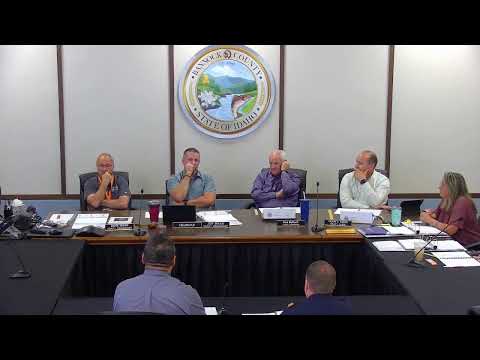
Bannock County sheriff outlines budget requests including license‑plate readers, training and rifle‑rated vests; jail budget falls
Summary
Sheriff Tony Manu told county commissioners the sheriff's office is proposing targeted increases for technology, training and equipment while the jail's operating budget is down roughly $79,000; Manu raised mental‑health pressures on local jails as a growing operational strain.
Sheriff Tony Manu told the Bannock County Board of Commissioners during a budget hearing that the county's overall proposed increase is about $5,529,000 and detailed line‑item requests for the sheriff's office and jail, including two license‑plate readers to join the City of Pocatello's network, new rifle‑rated ballistic vests and expanded training resources.
Manu said the sheriff's office is "pretty proud of this budget," while noting some safety‑driven needs that prevented deeper cuts. He highlighted a mix of contractual cost increases and one‑time equipment purchases and described mental‑health care needs among inmates as an immediate operational pressure: "mental health is killing us," he said.
Why it matters: The sheriff's requests would add new surveillance and dispatch technology, shift some personnel pay structures, and replace critical equipment that county officials say has safety implications. At the same hearing commissioners were told the jail's operating budget decreased by about $79,000 year over year, largely from savings in day‑to‑day jail operations.
Key budget highlights and explanations
- Sheriff's app and emergency integration: Manu said the sheriff's office budget includes a $9,700 annual fee for a department app that the office expects will support jail rosters, warrants lookups and community alerts. The app also includes fields for the county's emergency management staff to post information.
- Training and FTO incentives: The sheriff's training (education) line shows an increase of $19,250 to pay for instructor‑led and certification training; Manu said law enforcement training records are frequently requested in litigation, making training a priority. The office also proposed reviving a field‑training officer (FTO) incentive: an annual ask of $5,000 (the sheriff estimated actuals nearer $3,000) to pay certified FTO trainers roughly $100 per training phase; the jail asked for $25,000 for its trainers because of higher turnover.
- Vehicles and equipment: The county is finishing a five‑year vehicle lease program; one line item cited a $60,000 lease/buyout entry as the last payment for that arrangement. Manu said the fleet rotation and residual values will be clearer next year.
- License‑plate readers (LPRs): The sheriff proposed budgeting for two basic solar‑powered LPR units that would grant the county access to the City of Pocatello's existing leased network (the city currently has 36 units). Manu said joining that network would allow investigators to query plates across the city system; the office plans initial deployments at small‑town entrances and on roads such as Highway 91. Manu called the technology "the way of the future." The proposal includes capital and installation hardware; some units can be solar and use satellite links.
- Dispatch station replacement: A $11,000 line item is for a Zydex dispatch workstation (an adjustable station platform) to replace a nonworking unit.
- Ballistic vests and critical equipment: The sheriff said 19 ballistic vests are due for replacement and the office is upgrading to rifle‑rated vests at a quoted cost of $66,000. Other critical equipment noted included e‑bikes, Toughbooks, ammo and a new drone.
- Jail operations: County staff reported a net decrease of about $79,000 in the jail's operating (B) budget. Contractual cost increases for prisoner food and medical services (identified as Ivy Medical) were reported as roughly 5 percent each. The jail budget still includes items such as replacement Guard 1 Android devices used for inmate counts ($13,550) and a $21,000 property acquisition line (replacement of a main copy machine).
- Building maintenance and projects: The sheriff's office noted an increase of about $119,000 tied to discrete projects; of the total building line the staff identified roughly $159,000 as routine annual maintenance already budgeted.
Staffing, population and regional pressures
Manu said the jail's population had been lower than past peaks, which has helped training and operations; he reported a current inmate count near 184, with 13 federal and 11 state prisoners at the time of the hearing. The sheriff said the office has a few vacancies (two to three positions, including part‑time roles) and that federal/state contracts provide some flexibility but do not guarantee bed counts.
The sheriff repeatedly returned to mental‑health needs as a driving issue for local jails. He described cases where an individual is determined committable but there is nowhere appropriate to transfer the person; he and commissioners discussed regional capacity and whether eastern Idaho needs a dedicated psychiatric facility or regional approach to relieve jail burdens.
Policy and procedural items mentioned
- Drone policy: Commissioners asked about developing a formal drone policy; Manu said his office had obtained the City of Pocatello's policy and is drafting a county procedure. He recommended consolidating related policies so agencies (for example, weed and mosquito control) are not covered by separate documents.
- Contracted overtime and intergovernmental coverage: The sheriff said overtime in the sheriff's A budget is about $110,000. He also said the county bills cities and event promoters for overtime and related costs under existing agreements and that those contract rates are revisited as part of the budget cycle.
What commissioners asked or directed
Commissioners asked for specific backup detail in the budget book (staff pointed to line‑item explanations prepared by county finance staff). Commissioners pressed the sheriff on planned capital purchases and timing (for example, vehicle rotation) and encouraged regional conversations about mental‑health capacity. The sheriff said staff would return with more information on vehicle residuals, LPR placement and the draft drone policy.
Ending
The hearing continued with commissioners and county staff reviewing detailed line items in the budget book; no formal vote or final appropriation occurred at the session. County staff and the sheriff said they will provide follow‑up information on the LPR proposal, vehicle rotation plans and the proposed FTO incentive structure as the budget process continues.