Get Full Government Meeting Transcripts, Videos, & Alerts Forever!
Get email alerts on the Budget Taxation topic
No spam. Unsubscribe anytime.
Lower Moreland board adopts $66.8 million budget, approves 5.25% tax increase in 6-3 vote
Summary
After extended debate, the Lower Moreland Township School District Board of School Directors approved a $66,796,228 budget for 2025–26 and a 5.25% overall tax increase, citing falling fund balance, a Standard & Poor's downgrade and long‑term capital needs. The vote was 6–3.
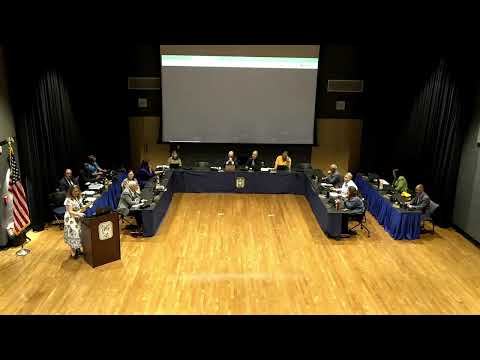
The Lower Moreland Township School District Board of School Directors on June 17 approved the district's 2025–26 budget of $66,796,228 and a 5.25% overall tax increase after about an hour of discussion and a roll‑call vote that ended 6–3.
Board members and administrators said the increase was driven by a structural deficit, rising mandated costs and deferred facilities needs that have reduced the district's fund balance and led to a bond‑rating downgrade.
Supporters said the increase is intended to stabilize finances and fund necessary capital work. "The only responsible decision that we as a board can make is to go into the green," said Dr. Butler (board member), arguing that continuing to draw down reserves would further harm the district's credit rating. Business manager Mark McGinn, whose financial presentations framed the discussion, told the board the budget was the product of year‑long work to close gaps in revenues and expenditures.
Opponents urged using more fund balance or smaller increases. "I would have liked to have seen us, have reserved some fund balance for the balancing of the budget and waited until some of that revenue came in," said Michael Berardi (board member), who voted no. Several board members stressed that raising taxes above the Act 1 index compounds over time and warned about the long‑term cost to taxpayers.
After public remarks by several board members, the board conducted a roll call. The budget motion passed on a 6–3 roll call: Yes votes from Miss Blanton, Dr. Butler, Miss Darien, Mr. Geiger, Dr. James Lee (presiding officer), and Mr. McKee; No votes from Miss Baker, Mr. Berardi and Miss Cannon.
The board also took accompanying administrative actions after the budget vote. It approved the district's Homestead and Farmstead resolution that applies state gambling and tax credit monies to reduce property tax bills, and it charged the district's tax collector to begin 2025 real‑estate tax collection in accordance with the adopted budget. Both motions were carried by voice vote after the budget adoption.
Why it matters: Board members and administrators said continued reliance on reserves had reduced the district's fund balance and lowered its Standard & Poor's bond rating, making future borrowing costlier. Supporters said the tax increase and budget are intended to halt that slide and allow the district to fund a 10‑year capital plan and ongoing operating needs without repeatedly dipping into reserves.
What's next: The budget-approved spending plan and tax proof will be used to generate tax bills for the 2025–26 fiscal year and to shape the district's capital project priorities and borrowing plans discussed elsewhere in the meeting.
Votes at the meeting that directly affected the budget included the roll‑call approval of the budget, a separate Homestead/Farmstead resolution, and a motion charging the tax collector to collect the 2025 real estate taxes.