Get Full Government Meeting Transcripts, Videos, & Alerts Forever!
Get email alerts on the Tax Deed Sale Assessment topic
No spam. Unsubscribe anytime.
Board of Review upholds assessor valuation for landlocked Kenosha lot despite owner's $6,001 purchase claim
Summary
The Kenosha Board of Review voted 4-0 on June 18 to sustain the assessor's valuation for a vacant, landlocked lot at 550760 Second Street after finding the November 2024 tax-deed sale was not an arm's‑length transaction and that assessor comparables supported the assessment.
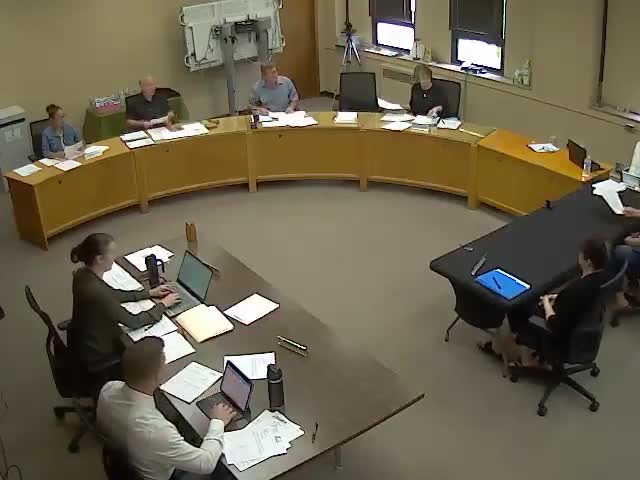
The Kenosha Board of Review on June 18 sustained the assessor’s valuation for a vacant, landlocked lot at 550760 Second Street after hearing sworn testimony from the property owner and the assessor’s office. The board voted 4-0 to uphold the assessment.
Property owner Jennifer Hernandez asked the board to reduce the assessed value of Parcel 02-122-02-229-003 to the price she paid at a tax-deed sale, $6,001, and presented a quitclaim deed and auction paperwork. “I bought the property for $6,001,” Hernandez said under oath.
Deputy Assessor Kirk Redden Jr. and assessor staff countered that the November tax-deed sale was not an arm’s‑length transaction: the auction was a sealed-bid tax-deed sale restricted to contiguous landowners rather than being exposed to an open market. “This sale did not meet two of those [arms‑length] factors,” Redden testified, noting the county’s auction process limited who could bid and that the sale price did not conform to other recent vacant‑land sales in the neighborhood.
Assessors presented three comparable sales from 2023, including one landlocked lot, and described a 70% adjustment applied for landlocked parcels in the assessment model. The assessor’s packet listed the subject property’s land value at $19,200 with no improvements; the Board of Assessors’ prior determination in the packet was $18,000. The assessor asked the board to let the assessment stand; the board concluded the assessor’s evidence was the more credible record and that the property owner had not produced competent, sworn evidence to overcome the presumption of correctness afforded to the assessor’s valuation.
During deliberation the board walked through the standard worksheet for findings of fact, agreed the subject sale was not a tier‑one (arms‑length) sale and treated the assessor’s comparable sales as the controlling evidence. A motion to sustain the assessor’s valuation — finding the property owner had not rebutted the presumption of correctness — passed on a roll call: Joe Balagora, Veronica Flores, Shar Paquette and Brian Jaffe all voted aye.
The board closed testimony and directed staff to prepare a written findings-of-fact and decision form reflecting the vote. The decision sustains the assessment; it does not prevent the owner from pursuing any statutory remedies, including appeals to circuit court where appropriate.