Lifetime Citizen Portal Access — AI Briefings, Alerts & Unlimited Follows
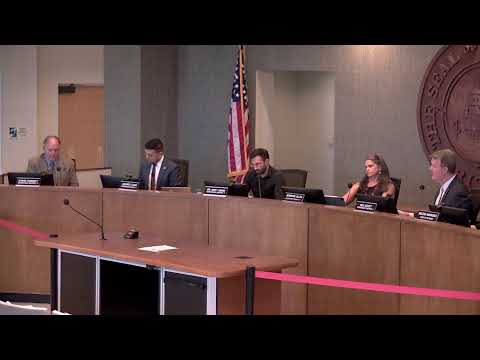
Pima County approves Project Blue specific plan and sale for 290-acre data center site
Loading...
Summary
The Pima County Board of Supervisors voted to approve a specific plan and related land sale that clear the way for a 290‑acre data center site at Houghton and I‑10, adopting the specific plan 3–2 and later approving the county’s purchase‑and‑sale agreement by a 3–2 vote.
The Pima County Board of Supervisors voted to approve a comprehensive plan amendment and specific plan and to authorize a purchase and sale agreement that will allow development of a large data center project on 290.31 acres at Houghton Road and Interstate 10.
The specific plan and comprehensive plan amendment were approved after a public hearing and debate; the board approved the plan 3–2 (Chair Rex Scott, Supervisor Christie and Supervisor Hines voting yes; Supervisors Allen and Connell voting no). Later, the board approved the county’s purchase and sale agreement tied to the site and property sale after additional motions and reconsideration; the final recorded vote on the land sale measure was 3–2 (Scott, Christie and Hines in favor; Allen and Cano opposed). The contract sets an appraisal-based sale price of $20,875,000 and includes performance requirements tied to construction timing and the creation of local jobs.
Why it matters: proponents argued the project will deliver large infrastructure investments — notably an 18‑mile reclaimed‑water transmission main and a 30‑acre aquifer recharge and recovery facility that would be transferred to Tucson Water — and bring construction jobs and permanent technical jobs to the region. Opponents cautioned that the project would consume significant energy and reclaimed water, and asked the county to require enforceable, public commitments before approving land use changes.
What the project includes: the applicant, identified in hearings as Project Blue developed by Beal Infrastructure, outlined an initial phase able to support up to four data center buildings and infrastructure scaled for up to ten total buildings across the 290‑acre site. The applicant and utility partners said the first building could be operational as soon as 2027. Beal has proposed to pay for an oversized electrical substation and transmission upgrades needed to serve the site and to fund the reclaimed water pipeline and recharge facility that would be gifted to Tucson Water.
Utilities and developer statements: Tucson Electric Power told the board that Project Blue will pay for the electrical infrastructure needed and that the company will be integrated into TEP’s system as a large industrial customer; TEP representatives said they were finalizing commercial terms and that any power agreements will go through regulatory review at the Arizona Corporation Commission. Tucson Water staff said the project team has committed to replenishing “all consumptive water losses” for the project and to transferring the new reclaimed distribution and recharge assets to the utility; the parties said the company can use potable water temporarily while the reclaimed pipeline is built and that a development agreement will codify replenishment projects and enforcement.
Public testimony: more than 40 speakers signed up for the hearing. Speakers in favor included labor representatives who described expected local construction work and economic‑development supporters who emphasized the project’s capital investment and tax revenue. Speakers opposed included environmental groups, local residents and water‑policy advocates who said the reclaimed water and energy assumptions were uncertain and urged delay until enforceable, public environmental and energy assurances were available. Christina McVie and other speakers cautioned about potential groundwater impacts and the need for independent environmental review.
Board directions and conditions: in approving the specific plan and the sale, supervisors and staff emphasized enforcement mechanisms already in the draft purchase and sale agreement. The PSA contains construction milestones, reversion provisions if construction does not start within specified timeframes, and economic performance requirements (the agreement as negotiated requires creation of a minimum number of full‑time jobs by specified dates, with financial remedies if targets are not met). Staff and the applicant said final energy contracts will be filed with the Arizona Corporation Commission and the reclaimed‑water commitment will be formalized in a development agreement with Tucson Water.
What remains: the project requires annexation into the City of Tucson for certain utility services (including reclaimed water) and will need to satisfy the development agreement and regulator reviews described above. County staff said they will continue to brief the board and post public documents as they become available.
Ending: The board’s votes clear the county land‑use approvals and the county’s sale of property; the project team and utilities must complete the annexation, development agreement and regulatory filings before the proposed development proceeds. The public record from these hearings will become part of the approvals package available through county planning and procurement.