Get Full Government Meeting Transcripts, Videos, & Alerts Forever!
Get email alerts on the Higher Education Finance topic
No spam. Unsubscribe anytime.
Senate approves audit of excessive reserves at selected California community colleges
Summary
Senator Bob Archuleta won committee approval to audit five community college districts and Calbright, seeking to determine why many districts hold unconstrained reserves and whether reserves have affected student services and staffing.
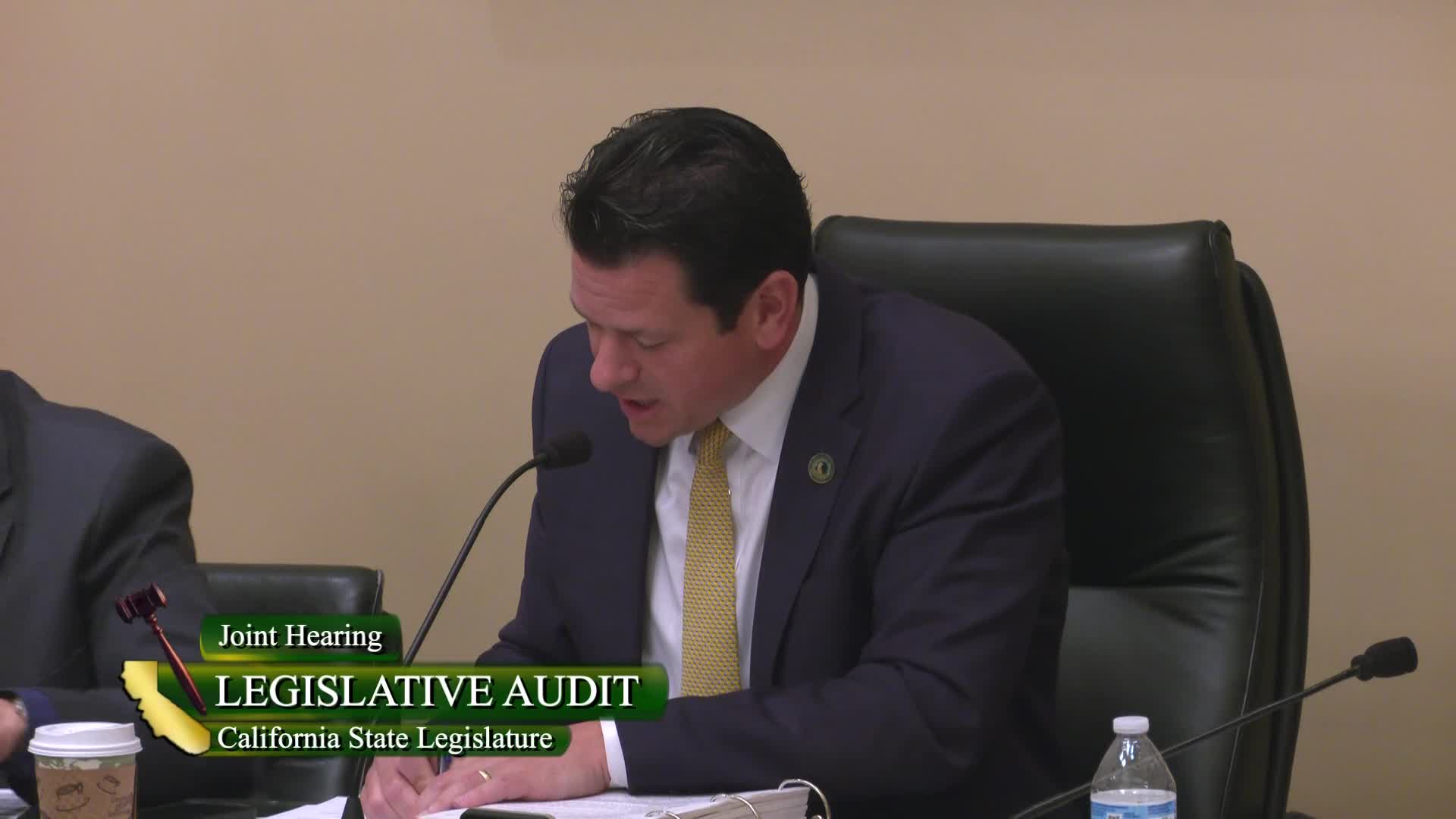
The Joint Legislative Audit Committee on June 24 approved an audit of selected California Community College districts and Calbright College to examine rising unrestricted reserves and their effects on student programs, instruction and staffing.
Why it matters: Senator Bob Archuleta told the committee the statewide average unrestricted reserve across community college districts had grown from roughly 17% guidance to about 37% of general fund operating expenditures by the end of 2024; some districts hold reserves exceeding 50% or higher. Archuleta and faculty union representatives argued that excessive reserves may be diverting money that could otherwise support instruction, part‑time faculty pay and student services.
Scope and objectives: The auditor will select five districts to represent geographic and size diversity plus Calbright College and evaluate reserve growth since fiscal year 2018‑19, reasons districts maintain higher than recommended reserves, the chancellor’s oversight role and whether elevated reserves affected investments in instruction, infrastructure or student support. The State Auditor estimated about 2,600 hours to complete the work.
Support and concerns: Faculty advocates from multiple districts testified in favor of the audit, arguing that reserves have ballooned while part‑time instructors remain underpaid and programs have been cut; they asked the auditor to include Calbright in the scope. Calbright College representatives requested recusal, citing a recent state audit in 2023 and arguing the institution’s limited funding sources (a $15 million annual apportionment and start‑up funds) make a new audit duplicative. The Chancellor’s Office did not oppose the audit but cautioned the committee the request should account for purposes of reserves, accreditation requirements and accounts receivable that are not cash.
Committee action: The committee approved the audit by roll call. Members said they supported oversight while recognizing that prudent reserves serve as a buffer against economic downturns, federal funding changes and natural disasters; the chancellor’s office asked the auditor to consider those risk‑factors in analysis.
Next steps: The auditor will select districts consistent with the request’s geographic and size criteria and begin fieldwork on a staggered schedule; the committee asked the auditor to avoid interfering with accreditation processes.
Quote: “We have to ensure public funds are being used effectively and efficiently to support the primary mission of the community colleges,” said Sarah Thompson of the Faculty Association of California Community Colleges.
Context: The request followed years of system budgeting changes and a post‑2018 funding model that some witnesses said created winners and losers across districts.