Get Full Government Meeting Transcripts, Videos, & Alerts Forever!
Get email alerts on the Long Term Care topic
No spam. Unsubscribe anytime.
AB 283 would shift IHSS collective bargaining to state level to seek living wages for home care providers
Summary
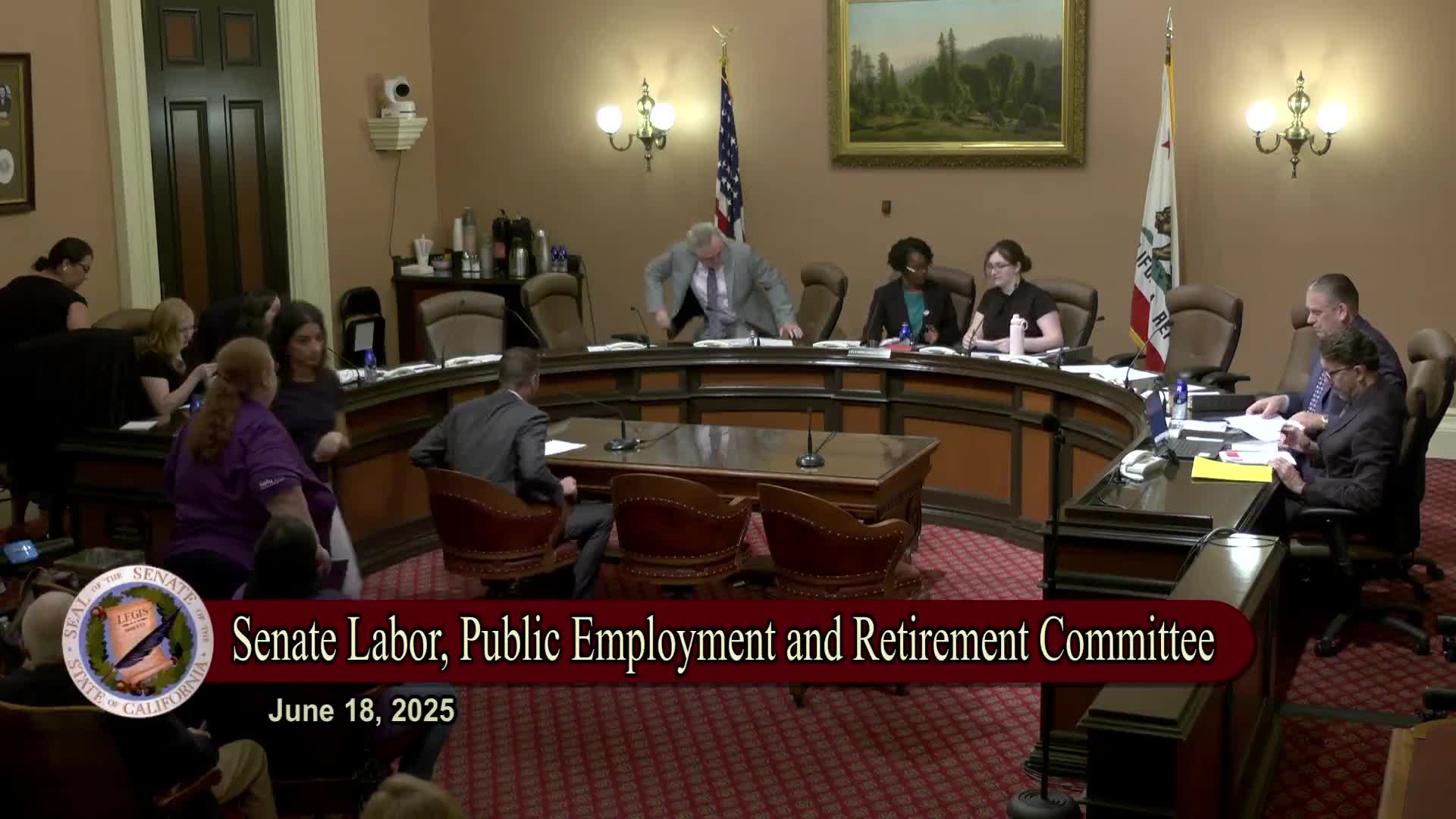
AB 283, presented by Assemblymember Haney, would centralize collective bargaining for In-Home Supportive Services (IHSS) providers at the state level, supporters say, to improve wages and benefits for a workforce that serves hundreds of thousands of Californians.
Assemblymember Haney presented AB 283, a bill to move collective bargaining for in-home supportive services (IHSS) providers from the county level to the state level. Haney said the change would professionalize the workforce, promote more equitable wages and benefits and help address an anticipated caregiver shortage as California’s older-adult population grows.
“Getting care in the setting of your choice is a human right and a basic freedom,” Haney said, noting the state’s long-term care system faces retention challenges. He said the IHSS program employs over 700,000 providers and serves over 800,000 recipients.
Sharon Duchesi, who identified herself as an IHSS provider and vice president of her region (Sacramento County), described disparities among counties, citing Siskiyou County as an example where providers reportedly earn $15 an hour with no benefits or training. She said the program must ensure parity so providers do not fall below the poverty line.
Christina Bass-Hamilton, representing United Domestic Workers (UDW), said bargaining at the state level would reduce county-by-county disparities and provide data-driven statewide standards for wages and benefits. She noted providers save the state hundreds of millions in care costs by keeping people at home.
Multiple IHSS providers and union representatives offered brief “me too” support at the hearing; the record includes dozens of individual supporter statements from providers and union officials. The California State Association of Counties and the County Welfare Directors Association indicated a "support if amended" position, and the California Association of Public Authorities said it was neutral after negotiations with the author and sponsors.
Assemblymember Haney asked the committee to advance the bill for a vote at the appropriate time.
Ending: Supporters said the change aims to stabilize and professionalize the statewide caregiver workforce. Counties requested clarifying amendments on fiscal protections and scope of representation; the author said amendments were being drafted.