Get Full Government Meeting Transcripts, Videos, & Alerts Forever!
Get email alerts on the Public Safety Finance topic
No spam. Unsubscribe anytime.
Sheriff says $7.1M operating deficit, $8.7M overtime shortfall driven by staffing gaps and wage inflation; FMLA use flagged as a factor
Summary
Milwaukee County Sheriff Danita Ball told the Finance Committee the sheriff’s office expects a $7.1 million operating shortfall in 2025 and an $8.7 million overtime deficit. Officials cited long-term staffing shortages, wage increases and high rates of FMLA/sick-call usage as drivers; the office described recruitment and training steps underway.
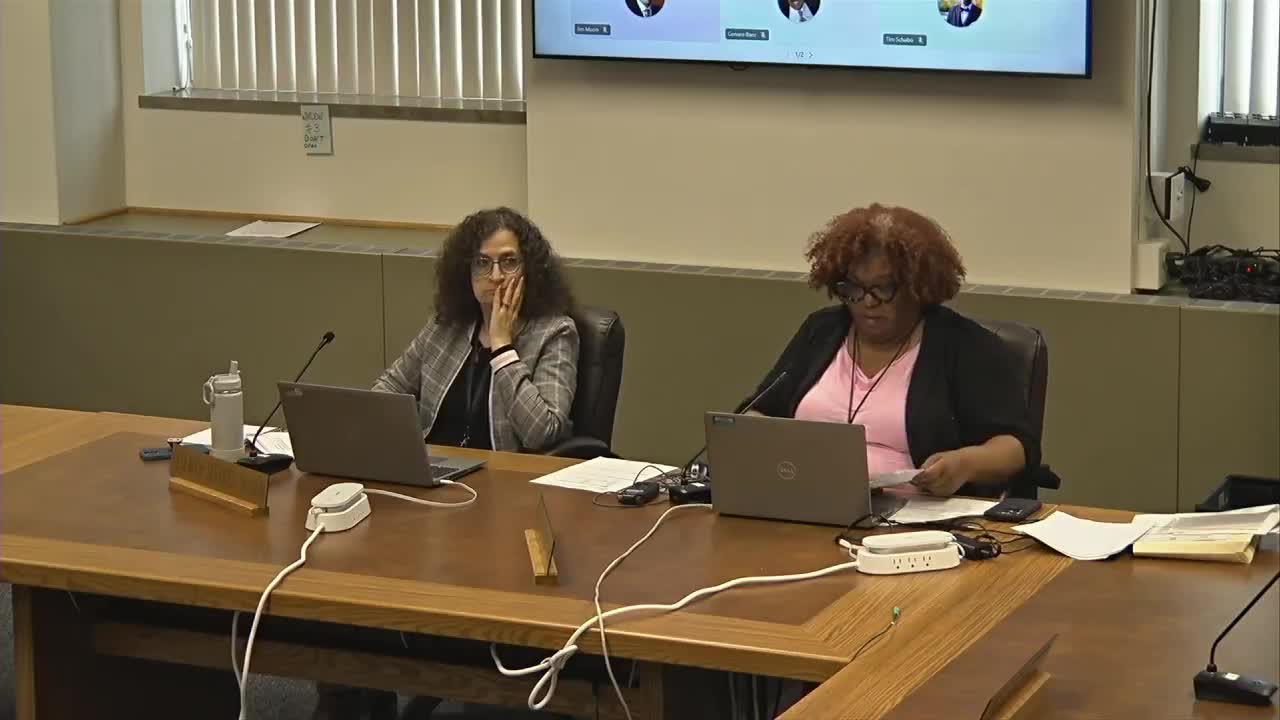
Milwaukee County Sheriff Danita Ball told the Finance Committee on June 18 that the Milwaukee County Sheriff’s Office (MCSO) projects a $7.1 million operating deficit for 2025 and an $8.7 million overtime shortfall, and she described steps the agency is taking to reduce the gap.
Lede: Sheriff Ball and her command staff said the principal drivers are staffing vacancies and turnover, increases in deputy and corrections-officer wages since 2016, and a high volume of employee call-ins and FMLA use that require costly overtime backfills.
Key figures and drivers: The sheriff’s office described a projected $7.1 million operating deficit and an $8.7 million overtime deficit for 2025. Staff pointed to wage growth since 2016 — they cited roughly a 47.1% increase for deputy wages and a 73.8% increase for corrections-officer starting pay — and said the overtime allocation in the budget has not kept pace with salary increases and the current pattern of vacancies.
FMLA and call-in volumes: Officials told the committee that sick-leave and Family and Medical Leave Act (FMLA) use has placed additional pressure on coverage. The sheriff’s office said that in one recent weekend there were 116 call-ins across three shifts and that 97 of them were associated with FMLA. The sheriff and chief deputies said the volume of unscheduled absences increases the need for overtime to maintain required staffing levels.
Mitigation steps reported: The sheriff outlined recruitment and retention measures including a recently graduated deputy recruit class (11 graduates), the start of a new recruit class with 26 trainees, two incoming lateral deputy hires, expanded advertising and a recruiting event at UWM. The office said it eliminated mandatory court overtime for certain positions and is seeking to increase the number of hourly bailiffs and other flex positions. Sheriff’s staff also said they are working with the county executive’s office and human resources to examine retention and FMLA-management strategies; the sheriff said a centralized investigator and additional HR resources to review FMLA use were discussed with the executive office.
Supervisors’ reaction and next steps: Supervisors pressed for more information about whether FMLA is being misused and asked whether extra investigative or audit resources should be authorized. County leaders said any broader investigation of misuse would require county-level policy and that some remedies may require contractual negotiations or changes to HR management systems. The sheriff’s office said it will continue aggressive hiring, pursue lateral hires, and return to supervisors with additional data.
Ending: The sheriff framed the deficit as a persistent operational challenge rooted in recruitment, retention and rising wage costs; supervisors urged faster progress on hiring and stronger controls on unscheduled absences to limit overtime spending.