Get Full Government Meeting Transcripts, Videos, & Alerts Forever!
Get email alerts on the Organic Waste Management Outreach topic
No spam. Unsubscribe anytime.
Del Norte task force outlines outreach, composting plan to meet SB 1383 goals
Summary
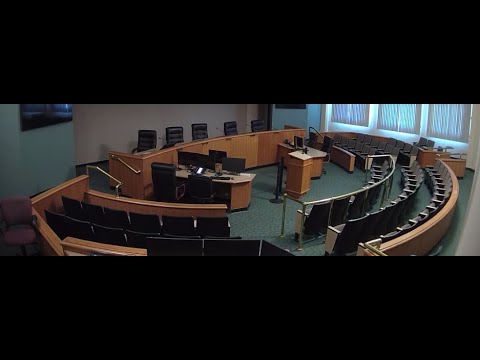
At a special meeting in Crescent City, the Del Norte Solid Waste Task Force discussed education and outreach priorities, community and municipal composting options, entrepreneur opportunities, and a pilot approach to meet SB 1383 requirements. The task force also approved minutes from January and March.
At a special meeting in Crescent City, the Del Norte Solid Waste Task Force outlined outreach and infrastructure options to reduce organic waste and support compliance with California's SB 1383 goals.
"We are working with the Del Norte Solid Waste Authority and the task force to host a series of 6 community meetings, to understand our community's needs for food rescue, composting, and how we can reduce our waste," said Aya Mahan, program director for the Del Norte and Tribal Lands Community Food Council, who led the session. Task force members and community participants focused discussion on education and outreach, on-site residential and business management, municipal-scale processing and potential entrepreneur-led enterprises.
The meeting matters because SB 1383 requires significant reductions in organics sent to landfill; meeting participants repeatedly framed outreach and pilot programs as essential first steps. The task force described an overall goal of producing a 10-year plan, with a final report aimed to be completed by next April and further detailed feasibility work to follow.
Participants said education and awareness was the top community priority identified in prior sessions, followed by business incentives, policy and infrastructure supports. Aya Mahan and staff presented estimates (based on statewide averages adjusted for local population) showing food, corrugated cardboard and paper among top commercial waste streams; community voting at earlier meetings and in this series prioritized education, funding/grants for community composting, and alternatives to single-use packaging. "Food waste and reduction, clearly, the top vote was education and awareness," Mahan said while reviewing results.
Discussion detailed multiple outreach approaches: one-on-one neighborhood contacts, workshops at farmers markets and schools, a train-the-trainer model, youth-focused programming with FFA and CTE connections, and targeted outreach to multiunit housing and trailer courts via property managers. Community members and staff suggested integrating composting efforts with fire mitigation (using woody debris as mulch or feedstock) and engaging trusted local messengers and community champions.
Speakers described several models for collection and processing. Examples discussed included a reservation-based community compost site at a ranch (cited from Amador County), mobile and small-scale pickup services that charge by the bucket or use bicycles for collection, and local businesses that have turned seafood and kelp waste into branded amendments (described historically as Econutrients/Pacific Organics). Mary Edo, a consultant noted in the meeting materials, said the Amador County site currently accepts drop-offs by reservation to manage staffing and contamination control as the program scales.
The task force also highlighted opportunities for entrepreneurs: vermicomposting and worm sales, commercial compost production, washing/sanitizing services to enable reusable food service ware for schools and events, and processing of woody debris into mulch or biochar. Ted Ward, director of the Del Norte Solid Waste Management Authority, urged entrepreneurs to engage now so they can be part of feedstock conversations as the authority develops long-term management approaches.
Attendees repeatedly raised the need for baseline data and measurable metrics. Staff noted the county currently has transfer station tonnage and customer data but lacks household-level baselines; participants recommended waste-characterization studies and pilot projects (suggestions ranged from dozens to a few hundred households) to test outreach, collection and processing approaches before wider rollout.
Formal action: the task force approved minutes from its January and March meetings. There were no other formal votes on ordinances, contracts, or budget items during this session.
The group agreed to continue small-group breakout conversations in future meetings and to develop feasibility assessments that rate proposals by cost, time frame, scale, accessibility and likely impact. The task force indicated it expects additional meetings focused specifically on food rescue and redistribution, and discussed planning next sessions for August and October to keep work on schedule toward the 10-year plan.
A final note from Chair Craig Strong emphasized starting with pilots and scaling up: "It starts small and scale up," Strong said as the meeting concluded, urging continued community engagement and feasibility work.