Get Full Government Meeting Transcripts, Videos, & Alerts Forever!
Get email alerts on the Animal Services Shelter topic
No spam. Unsubscribe anytime.
Kern County supervisors direct staff to craft $60M plan for new animal shelter as intake spikes
Summary
After a detailed Animal Services briefing showing rising dog intake and puppy births, the Board of Supervisors approved direction to develop a funding plan combining cash, tobacco endowment money and debt to cover an estimated $60 million replacement shelter and related needs.
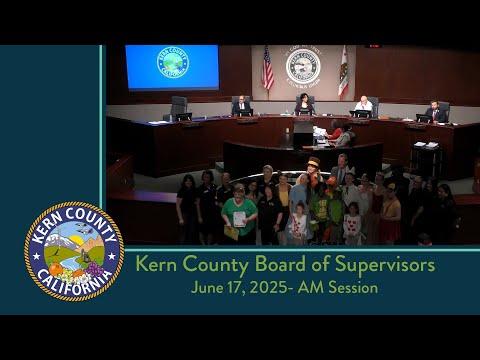
Kern County supervisors on June 17 received a detailed update on animal services showing sharp increases in dog intake, puppy births and field calls, and directed staff to develop a financing plan to build a replacement shelter estimated at $60,000,000.
The county’s animal services director, Nick Cohen, told the Board of Supervisors that the county took in 9,856 dogs in 2024 — about a 31% increase over the pre‑pandemic 2019 baseline — and that puppies (under five months) were the primary driver, rising from 1,769 in 2019 to 3,609 in 2024. Cohen said the Fruitvale shelter has regularly operated “well beyond capacity,” and that overcrowding drives respiratory outbreaks, higher medical costs and longer stays.
“This is a systemic issue, and that if we’re gonna solve it, we have to do it together with community, with collaboration, and with long term investment in some, real solutions,” Cohen said.
Why it matters: County staff and volunteers credited expanded spay-and‑neuter and outreach programs for raising the shelter’s live‑release rate to record levels (78% saved), but said demand far outstrips current capacity. The county has acquired 4.5 acres for a replacement facility and officials warned construction prices and other constraints make an immediate, single‑source cash purchase unlikely.
What the Board asked staff to do: Assistant County Administrative Officer Elsa Martinez and senior fiscal analyst Kayla Ayala presented a three‑part funding approach the county will develop further: draw from an available general‑fund capital designation, use proceeds from the county’s tobacco endowment (subject to legal restrictions), and issue debt to spread construction cost over time. Ayala said the general fund designation holds roughly $30 million and the tobacco endowment’s market value is about $34 million; staff said the county will not recommend spending either pool entirely on the shelter and that any debt plan would be returned to the board for approval.
Program and service details: Cohen outlined programs already expanded to address the crisis: - Spay/neuter: The county has allocated more than $3.7 million over the past decade to subsidized sterilizations, funding roughly 42,000 surgeries. Fiscal 24–25 commitments exceed $1.1 million (including $500,000 in Measure K money), and the county expects to support about 9,500 sterilizations this fiscal year. - Mobile vaccination/microchip clinics: A Petco Love Foundation grant and other funding have allowed the county to provide no‑cost vaccinations and microchips to thousands of pets countywide; Cohen said Animal Services will have provided direct services to roughly 7,500 community pets in the calendar year. - Foster, off‑site adoption and “Streets of Bakersfield”: Volunteer‑driven foster and outreach programs placed record numbers of animals in 2024 and help reduce shelter population pressure.
Staffing and operational needs: Cohen said the department currently has 12 animal control officers (plus two senior officers). He and CAO staff told supervisors the department needs more veterinary staff (the county veterinarian averages ~112 spay/neuter surgeries per week and manages care for up to 450 animals), more field officers to lower response times in remote areas, and additional program technicians for canvassing, public education and enforcement work.
Community input and concerns: Dozens of residents, volunteers and nonprofit leaders urged the board to support both construction and stronger enforcement or ordinance changes. Michelle Peters (member of an animal services advisory subcommittee) urged the board to consider earlier ordinance recommendations that would strengthen spay/neuter and licensing enforcement. Volunteers described high levels of daily suffering among abandoned animals in outlying areas and urged faster action.
Board action and next steps: The board voted to receive the animal services update and to direct the County Administrative Office and finance staff to pursue the three‑part funding strategy (general fund designation, tobacco endowment and debt) and return with specific options, timing and impacts. Supervisors emphasized the need to avoid excessive borrowing when possible, to protect maintenance needs countywide, and to include estimated additional operational costs for the new facility. Staff indicated construction could begin in mid‑2026 if financing and procurement proceed on schedule.
Ending: Supervisors and staff framed the project as urgent but fiscally complex: replacing Fruitvale’s temporary shelter is intended to expand medical and adoption capacity, reduce disease outbreaks caused by overcrowding, and enable a more preventive, community‑focused approach to pet overpopulation.