Get Full Government Meeting Transcripts, Videos, & Alerts Forever!
Get email alerts on the High School Schedule topic
No spam. Unsubscribe anytime.
District outlines high-school schedule changes, student advisory plans and facility tweaks ahead of 2025–26
Summary
District administrators presented a detailed high-school schedule follow-up covering goals (longer class periods, guaranteed lunches, intervention/enrichment time), monitoring plans including student advisory groups and surveys, furniture purchases for fall, and concerns about how TCHS scheduling affects graduation requirements.
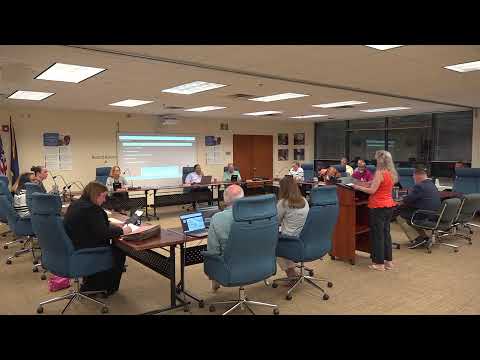
District administrators presented a high-school schedule follow-up to the West Chester Area School District board on June 16, describing planned schedule features, monitoring methods and facility changes intended for implementation in the 2025–26 school year.
Dr. Christopher, presenting the update, said the district's aims include longer class periods, more staff planning/collaboration time, a guaranteed lunchtime for every student, scheduled intervention and enrichment time, and fewer missed classes for student-athletes. The district will monitor the schedule changes with student surveys, classroom walkthroughs focused on engagement, and principal-advisor communities involving 15–20 student advisors at each high school.
"Student voice is going to be a big part of the work here," Dr. Christopher said during the presentation, describing a recent meeting with about 20 students from three high schools that produced feedback on how to measure success. The administration listed measures of success including increased student engagement, improved assessment performance, decreased mental-health requests, and higher use of support services.
Administrators described a number of operational steps for summer and fall, including buying furniture (a district proposal called for about 10 high-top tables and stools per high school to provide additional seating during lunch), removing some lockers and installing counter-height surfaces, and purchasing foldable rolling tables for specific library and multipurpose spaces. Facilities planning for 2026 will include estimates for modest renovations to provide separate eating areas and more seating during lunch; administrators said these would be presented during the district's October facilities planning cycle.
The presentation addressed scheduling implications for specialty programs such as music, gifted programming and Allied Health/Technical Career & High School (TCHS) partnerships. Administrators said they tested various rotational schedule models and noted challenges: some students, particularly TCHS participants, already take more than seven credits in ninth and tenth grades, and shifting to a strict seven-credit limit could negatively affect students and programs. Administrators also noted uneven staffing across buildings that limits course offerings.
Board members raised several concerns. One asked how reduced instructional minutes for AP classes would be addressed and how the district would ensure "lunch and learn" times are used productively; another member worried about the potential impact on students who plan competitive-college pathways if Allied Health were changed to a half-day format. Administrators replied that discussions continue and that some program-specific scheduling solutions — such as a possible half-day Allied Health at TCHS — would need further analysis.
Administrators said the preschool schedule may be adjusted from three to four days a week to meet course and lab participation requirements. They also indicated the district plans targeted training and new questions for classroom walkthroughs next school year to assess student engagement under the new schedule.
Ending: District leaders asked for continued feedback from parents, teachers and students over the summer and said they will return with further details and scheduling models as planning continues.