Get Full Government Meeting Transcripts, Videos, & Alerts Forever!
Get email alerts on the Humanitarian Funding topic
No spam. Unsubscribe anytime.
UN launches $29 billion prioritized appeal as humanitarian funding falls to historic lows
Summary
The United Nations Department for Humanitarian Affairs and partners issued a prioritized global appeal seeking $29 billion to address the most urgent needs across more than 70 countries; overall humanitarian requirements remain $44 billion and funding is far short of that level.
The United Nations on Tuesday issued a prioritized global humanitarian appeal seeking $29,000,000,000 to help an estimated 114,000,000 people facing life-threatening needs across more than 70 countries and territories.
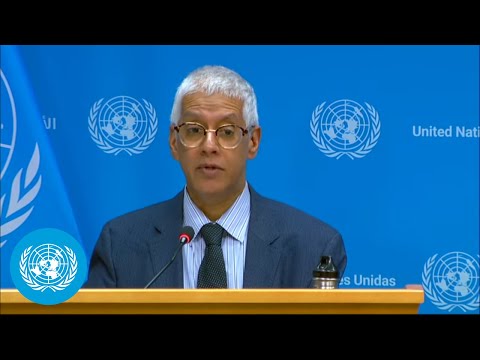
United Nations officials said the $29 billion request narrows the focus to the most urgent elements of the Global Humanitarian Overview 2025, whose total requirements remain $44,000,000,000. Farhan, the U.N. spokesperson, said the wider appeal issued in December is still in effect.
Why it matters: U.N. humanitarian coordinators warned that deep funding cuts have forced aid agencies into “brutal choices” about who can receive life‑saving assistance. Emergency Relief Coordinator Tom Fletcher said that, with current funding levels, “too many people will not get the support they need.”
The appeal follows a year of steep shortfalls: U.N. officials said nearly half the year is past and donors have provided roughly $5,600,000,000, or less than 13% of the broader $44 billion requirement.
The prioritized appeal covers lifesaving activities across sectors, including food assistance, health, water and sanitation, protection and shelter, and targets the most acute situations first. The statement released by the U.N. Office for the Coordination of Humanitarian Affairs (OCHA) emphasized that the prioritized request does not replace the Global Humanitarian Overview but instead highlights the most urgent needs.
Officials also flagged several country-level hotspots. A recent joint report by the World Food Programme and the Food and Agriculture Organization projects sharp increases in acute food insecurity in the next five months across 13 countries; the highest-concern list includes Sudan, Palestine, South Sudan, Haiti and Mali. The U.N. called for a coordinated international effort to deescalate conflicts and scale up aid to prevent further loss of life.
The statement noted the International Day of Family Remittances, observing that migrants have sent an estimated $5,000,000,000,000 in remittances to low‑ and middle‑income countries over the past decade — an important but insufficient source of support for many households.
Ending note: U.N. officials said they will prioritize available funds to people at highest risk while continuing to press donors for the broader resources needed to maintain and expand assistance worldwide.