Get Full Government Meeting Transcripts, Videos, & Alerts Forever!
Get email alerts on the Gender Affirming Care Resolution Petition topic
No spam. Unsubscribe anytime.
Speakers deliver petitions urging council to pass resolution protecting gender-affirming care
Summary
Residents and organizations presented petitions and public comments urging the Evansville Common Council to adopt a resolution affirming access to gender-affirming health care and opposing restrictions; petitioners reported thousands of signatures and endorsements from local groups and national organizations.
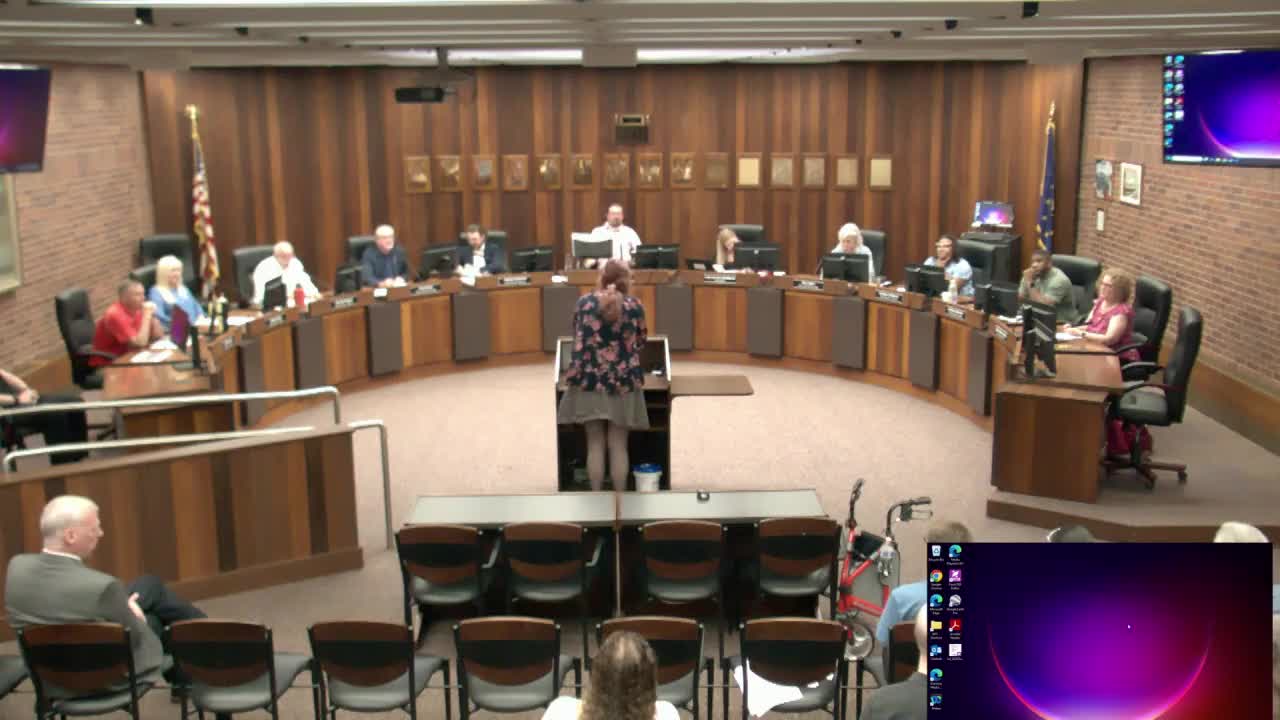
Multiple speakers during the public-comment period on July 14 urged the Evansville Common Council to adopt a resolution affirming access to gender-affirming care and opposing local or state restrictions.
Charlotte Morrison read a petition representing "2,768 Evansville voters, businesses, and organizations" calling on the council to "pass a resolution to protect gender access to gender affirming health care for all members of the Evansville community." Morrison’s statement cited medical organizations including the American Medical Association and the American Academy of Pediatrics and said research shows access to gender-affirming care reduces rates of depression, anxiety and suicidality.
Eager Lawson said he collected 2,463 signatures during June and described widespread public support encountered at local events; Lawson said Newsweek featured their efforts and that the ACLU had reached out and endorsed their ordinance. Val Avery Johnson said the petition stack exceeds 100 pages and that 32 local businesses, churches, and organizations had signed on; Johnson emphasized the petition effort began with a small volunteer team and that the intent of the resolution is to send a message to the state legislature and governor while not conflicting with existing state law.
Speakers repeatedly asked the council to publicly oppose efforts to restrict gender-affirming care and to reaffirm the city’s 2016 human relations ordinance and prior council actions supporting inclusion. Petitioners asked council members to meet with them; they said they would provide copies of the signed petitions for the record.
Transcript records these items as public comment; the council did not take a formal vote on a resolution at the July 14 meeting. Several council members previously indicated willingness to meet with petitioners.