Get Full Government Meeting Transcripts, Videos, & Alerts Forever!
Get email alerts on the School Meals topic
No spam. Unsubscribe anytime.
District 196 reports big jumps in meals served under Minnesota free school meals program
Summary
District 196 nutrition services reported increased participation, new farm-to-school pilots and staffing improvements after statewide free-meals legislation; board members praised program performance.
Spencer Fisher, director of nutrition services, told the Rosemount-Apple Valley-Eagan School Board on July 14 that the district has seen large increases in meal participation since Minnesota's free school meals legislation took effect and that the department is expanding local sourcing and kitchen staffing.
The report matters because higher participation alters funding flows and school support: Fisher said the district served about 1,200,000 breakfasts last year (a 53% increase from two years ago) and about 3,400,000 lunches (an 18.5% increase) over a 168-day year, averaging more than 27,000 meals per day.
Fisher said funding for meals now comes from three buckets: federal reimbursement for students receiving educational benefits, Minnesota coverage for students not receiving benefits, and a mix when students receive partial benefits. “The nutrition services fund is a self funded program,” Fisher said, adding that every dollar earned is reinvested in the program. He described the department as “the largest restaurant in Dakota County.”
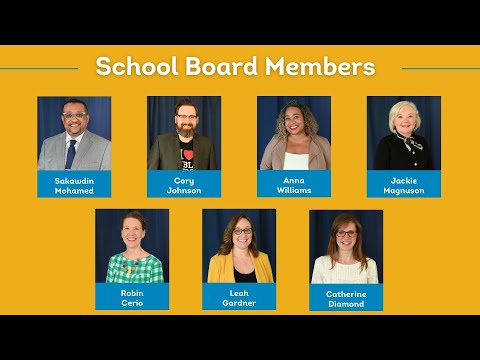
Board members asked questions and commended the department's work. Several members highlighted the program's diverse menus and farm-to-school work, and praised steps to reduce food waste and raise kitchen staff benefits. “We are really proud of you and the program that you've built,” board member Jackie said to Fisher.
Key program details reported to the board: the district employs 212 contracted nutrition employees plus 35 substitute staff; the nutrition services team has been able to offer benefits to about 25% of nutrition staff; the department is maintaining efficiency metrics (meals per labor hour) near national standards; and the district supports more than 30 farm-to-school activities, including a Thomas Lake Elementary pilot using monthly "harvest of the month" menus and student punch cards to encourage tasting.
Fisher described several menu expansions this year: two meatball recipes from a Minnesota beef partner, ongoing plant-based protein items (spaghetti that advanced in a student vote), beef-and-broccoli, a new fried-rice recipe designed to be allergen friendly, chicken tinga at elementary schools, and a rotating "burger of the month" at high schools. He also described sustainability efforts: offer-vs-serve meal selection, sharing tables for unwanted packaged items, switching to metal silverware at elementary schools, and stainless-steel trays projected to last about 10 years to reduce disposables.
Board members and administrators framed the program as a model the district can share. Director Sorensen and other board members noted student enthusiasm, the role of food in cultural exposure, and the department's community partnerships.
Looking ahead, Fisher said the department will continue testing menu items with students and refining operations during the summer. The board offered formal thanks; there was no action requested at the meeting.