Get Full Government Meeting Transcripts, Videos, & Alerts Forever!
Get email alerts on the City Budget topic
No spam. Unsubscribe anytime.
Lauderhill manager proposes FY2026 budget with millage cut, outlines plan to target under‑7‑mill rate
Summary
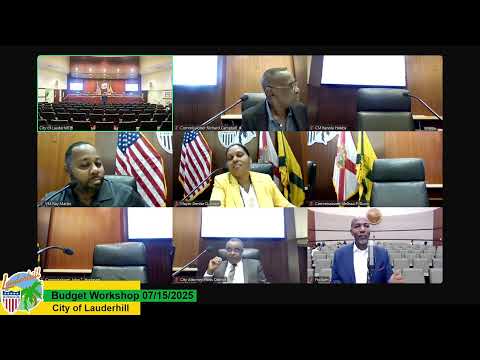
City Manager Kenny Hobbs Jr. presented the proposed fiscal 2026 budget July 15, saying the plan includes a 0.5‑mill operating millage reduction and steps to take the rate under 7 mills over a multiyear period.
City Manager Kenny Hobbs Jr. presented the proposed fiscal year 2026 operating and capital budget to the Lauderhill City Commission at a July 15 budget workshop, saying the plan includes a 0.5‑mill reduction in the operating millage and a smaller reduction in the debt millage.
Hobbs said the proposed operating rate would fall from 7.998 to 7.4998 mills and the voted debt millage from about 1.1712 to 1.1212. He described the reductions as part of a multi‑year approach the administration is developing and said the city is projecting an additional 0.5‑mill reduction the following fiscal year as part of an internal three‑year plan to bring the operating rate below 7 mills.
Hobbs said the proposed budget covers both operating and capital expenditures across all funds and includes the administration's response to priorities set by the commission: tax rate reductions, public safety and beautification. "Our goal this year is a millage rate reduction of 0.5 mills," Hobbs said during his opening overview.
Finance Director Sean Henderson gave commissioners an overview of projected revenues and the tax‑rate math used to balance the budget. Henderson said the city's current taxable assessed value (July 1) supports the proposed rate and showed a multi‑year revenue trend. "The rollback rate is 7.3399," Henderson told commissioners, noting the proposed 7.4998 millage would provide the revenue required by the manager's plan while still representing a decrease from the current rate.
Strategic plan: the administration also previewed a revision of Lauderhill's strategic plan. Jan Coley, who led the strategic‑plan briefing, recommended shrinking the plan's measures from dozens to a shorter, more operational list so department staff and residents can track outcomes. Coley emphasized moving from input measures (spending or counts) to outcome measures (resident surveys, trained observer ratings, automated sensors) and proposed a survey in 2026 and a follow‑up schedule to track progress.
Public engagement: Hobbs said the budget and bond outreach included eight community meetings this spring and summer; he thanked residents and department directors for their input. He told commissioners the city will continue publishing quarterly financial updates and the annual budget book to promote transparency.
Next steps and timing: the presentation set out the administration's schedule for follow‑up workshops before final budget adoption. Hobbs said staff would prepare a reconciliation document that captures any changes requested by the commission, and reiterated that final action on millage and on the FY2026 budget will come later, after the commission's review.
Ending: The manager and finance staff are returning to the commission between now and the formal budget hearings to supply follow‑up materials: year‑to‑date revenue and expense performance, a reconciliation of commissioner requests, and more detailed outcome measures for the strategic plan. Hobbs told the commission the administration would also continue outreach to residents to explain how the city portion of the tax bill is computed and what residents receive for the dollars paid.